Song Meaning
Franco De Vita's "Sexo" dives headfirst into the raw, unfiltered territory of desire and infatuation. It's a confession, almost an exasperated plea, from a man overwhelmed by the sheer physicality of his attraction. The song's core conflict arises from a disconnect: he's consumed by lust, while his partner seemingly questions or even resists the intensity of his feelings. The line, "Tú piensas sólo en el sexo!" reveals a possible accusation, a challenge to his perceived one-dimensionality. But De Vita isn't backing down; instead, he doubles down, embracing the primal urge and framing it as an unavoidable consequence of her allure. He's not merely objectifying; he's acknowledging the potent, almost uncontrollable effect she has on him. This acknowledgment borders on worship, elevating her to the status of "pecado," a forbidden fruit that he cannot resist. The repetition of "sexo, sexo" isn't just a mantra; it's a raw, honest expression of his immediate experience.
Delving deeper into the lyrics analysis, "Sexo" hints at a cultural undercurrent, a nod to the stereotype of the passionate "amante latino." He invokes this archetype, promising to use his inherent skills to drive her wild. This could be interpreted as a playful exaggeration, a self-aware performance of masculinity. The reference to a "luna llena" (full moon) further amplifies the song's atmosphere, evoking a sense of heightened emotions and unleashed inhibitions. It's a setting ripe for transformation and surrender. The repeated question, "Y qué culpa tengo?" (Whose fault is it?) underscores the idea that his desire is not a choice, but an involuntary reaction to her captivating presence. He portrays himself as a victim of his own passion, absolving himself of responsibility for the intensity of his longing.
Ultimately, the song meaning of "Sexo" rests on the tension between instinct and intimacy. While the lyrics openly celebrate carnal desire, they also suggest a yearning for a deeper connection. The phrase "muchas cosas más / Que aquí no puedo decir" hints at unspoken emotions, a recognition that their relationship extends beyond the purely physical. The song may be titled "Sexo", but it implicitly asks whether genuine intimacy can truly exist without embracing the primal aspects of human connection. It's a bold and unapologetic exploration of desire, framed within the context of cultural expectations and the complexities of modern relationships. While direct and seemingly simple, "Sexo" manages to touch upon themes of blame, desire, and cultural identity.
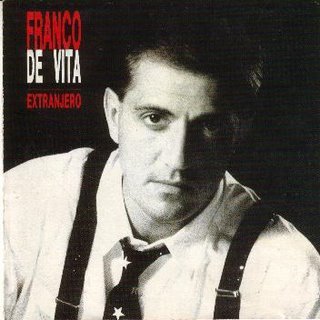
 View Artist