Song Meaning
Franco De Vita's "Pídeme (Acústica)" isn't just a love song; it's an exercise in radical vulnerability. The recurring plea, "Pídeme lo que tú quieras" (Ask me whatever you want), establishes a dynamic of absolute surrender. It's a proposition of complete devotion, bordering on the obsessive. The singer isn't merely offering affection; he's offering to reshape himself, to invent the impossible, to become whatever the beloved needs – "Si no existe me lo inventaré" (If it doesn't exist, I'll invent it). This level of self-abandonment suggests a profound fear of loss or inadequacy, a willingness to erase personal boundaries to secure the relationship. The acoustic arrangement enhances the intimacy and rawness of this emotional offering. The stripped-down soundscape forces the listener to confront the intensity of the lyrics without distraction.
The song's meaning deepens when considering the requests the singer anticipates. He offers to be peace, tranquility, and a shield against past loneliness. These aren't just romantic gestures; they're admissions of the beloved's perceived vulnerabilities. He's aware of her past pain ("Que el recuerdo de la soledad / Ya no pueda morder" - That the memory of loneliness / Can no longer bite) and positions himself as the antidote. This dynamic could stem from a desire to rescue or a need to prove his worth. The line "Pídeme mi espacio y te lo dejaré" (Ask for my space and I'll give it to you) highlights the paradox of wanting to be everything while simultaneously acknowledging the need for individual autonomy, a subtle but crucial recognition of healthy relationship dynamics.
Ultimately, "Pídeme (Acústica)" explores the intoxicating and potentially destructive nature of unconditional love. The repeated willingness to give everything, even to the point of self-annihilation, is both deeply romantic and unsettling. The intensity escalates with the request to "Pídeme locura" (Ask me for madness), implying a desire to transcend the mundane and ordinary limitations of love. The song subtly explores the power dynamics inherent in relationships. While seemingly selfless, the singer's offer of complete submission could also be interpreted as a form of control. By anticipating and fulfilling every need, he positions himself as indispensable, creating a dependence that reinforces his own sense of value. The song's lasting impact lies in its unflinching portrayal of love's potential to both liberate and consume.
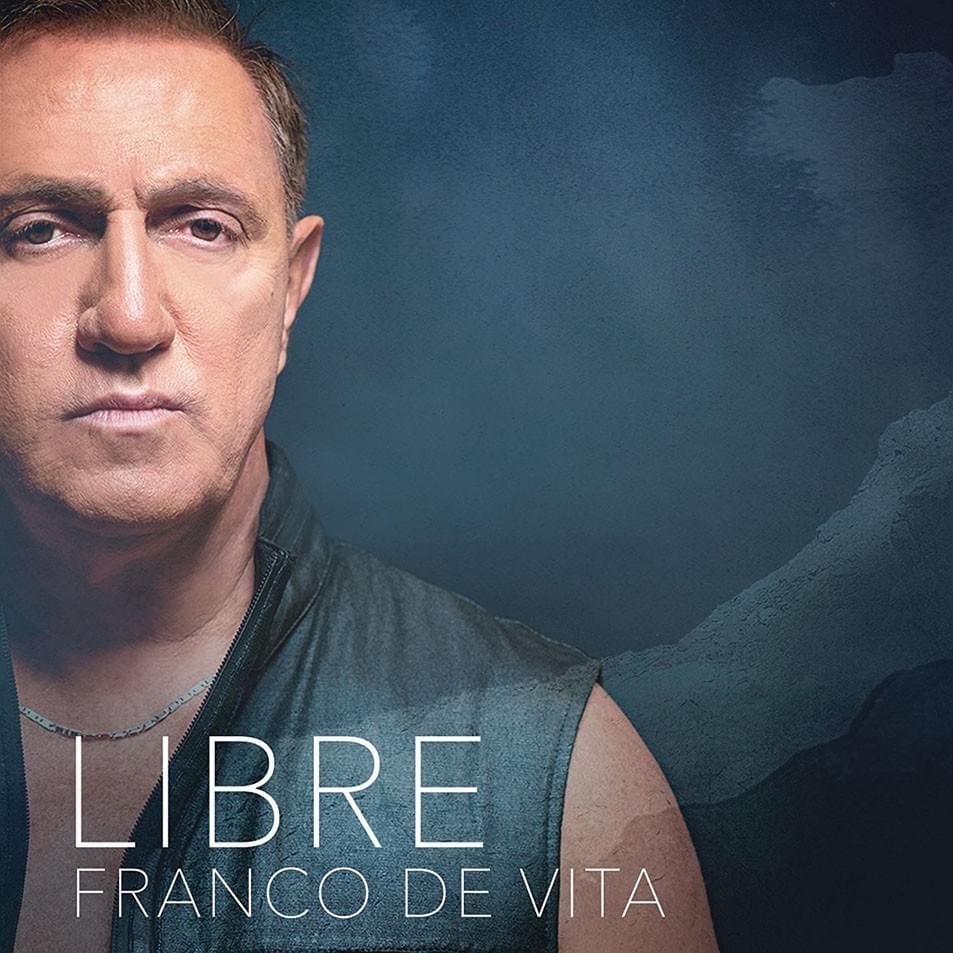
 View Artist