Song Meaning
Franco De Vita's "No Sé Lo Que Me Das" is a raw, almost desperate exploration of dependency in love. The central line, "No sé lo que me das," isn't a simple confession of ignorance; it's an admission of being utterly consumed by something the speaker can't even define. The song meaning hinges on this ambiguity: whatever 'it' is, this mysterious 'thing' has the singer hopelessly addicted. He's dancing to someone else's tune, a puppet caught in a cycle of yearning and intoxication. The lyrics portray a dizzying, almost maddening obsession. The repetition of needing the other person to the point of existential crisis ("\Quiero yo mis ojos si es que no te puedo ver…Quiero yo mi vida si es que en ella no estas tu") underscores the totality of this reliance. It's a love so profound it threatens to erase the self. The 'drinking' metaphor—"No se lo que me das / De beber / Que siempre tengo sed"—further emphasizes the addictive quality of this relationship. It suggests a craving that can never be fully quenched, a thirst that only intensifies with each sip.
De Vita masterfully captures the feeling of being utterly enthralled, almost hypnotized, by another person. The repeated lines, "Y de tanto bailar / Y de girar / En el mismo lugar / Me termino de enredar," highlight the cyclical, almost trapped nature of this devotion. The speaker is aware of the stagnation, the endless loop of desire, yet he is powerless to break free. It's a depiction of love as both a source of intense pleasure and a form of self-annihilation. The question, "Que sera de mi / Si tu no estás, si tu no estás..." is not merely rhetorical; it's a genuine expression of fear at the prospect of losing the very thing that defines his existence, however unhealthy that dependency might be.
Ultimately, “No Sé Lo Que Me Das” is less a celebration of love and more an unflinching portrait of its darker side: the loss of autonomy, the blurring of boundaries, and the terrifying vulnerability that comes with placing one's entire being in the hands of another. The song's power lies in its honesty, its willingness to confront the messy, irrational depths of human connection. It's a cautionary tale disguised as a love song, a reminder that even the most passionate affections can carry the seeds of destruction. The lyrics analysis reveals a portrait of a man teetering on the edge, consumed by a love he doesn't understand but cannot live without.
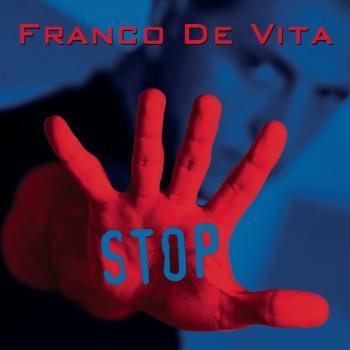
 View Artist