Song Meaning
Franco Battiato's "The King of the World" isn't a straightforward protest anthem, but a subtly unsettling meditation on power, perception, and the quiet ways we become prisoners of our own making. The song opens with stark imagery – the jarring disruption of warplanes contrasting with the delicate rhythm of balcony plants, a juxtaposition that immediately establishes a sense of unease. This initial tranquility, shattered by distant cannons and coded radio signals, hints at a world teetering on the edge, yet clinging to a semblance of normalcy. The mention of "fires of Bengala" bringing peace suggests a deceptive resolution, an end to overt conflict that masks a deeper, more insidious form of control. This sets the stage for the central idea: the titular 'King of the World' isn't a literal monarch, but a symbol of the forces that subtly manipulate our desires and beliefs.
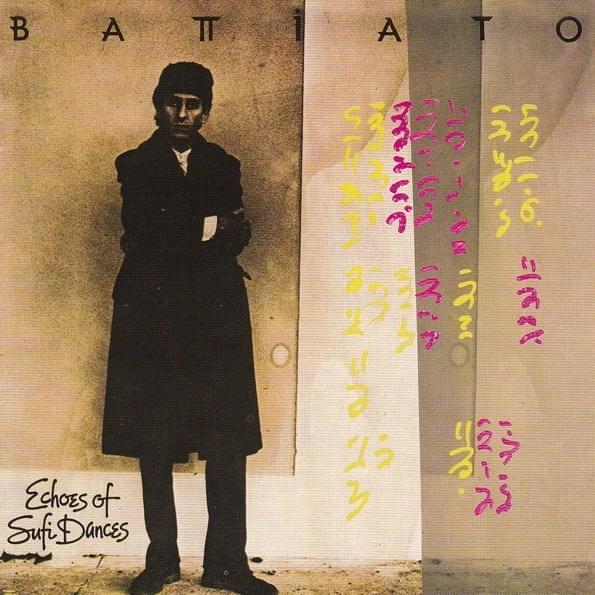
Battiato's lyrics delve into the paradoxical nature of modern existence. References to "sufi dances" and "Japan's undergrounds" create a feeling of cultural and technological displacement. The oxygen machines in Japanese subways are a particularly haunting image. The line, "The more all becomes useless / The more we believe it's true," is a key to unlocking the song meaning. It speaks to our willingness to accept manufactured realities, to find meaning in the meaningless, and to surrender our autonomy to systems that offer false promises of security and order. This 'King of the World' thrives on our collective delusion, on our ingrained need for purpose, even if that purpose is ultimately hollow.
The final verses offer a glimmer of hope, albeit a fragile one. The acknowledgement that "English will not help / And on our bicycles heading for home / Life brushed us" suggests a potential for escape, a return to simpler values, and a recognition of the fleeting beauty of everyday life. However, this fleeting moment of clarity is overshadowed by the persistent truth: "Yet the King of the World / Keeps our hearts enchained." Ultimately, “The King of the World,” a Battiato classic, implies the battle for liberation is not against external forces, but against the internal mechanisms that allow us to be controlled. It's a call to question the narratives we're fed, to resist the allure of manufactured truths, and to reclaim ownership of our own perceptions.
 View Artist