Song Meaning
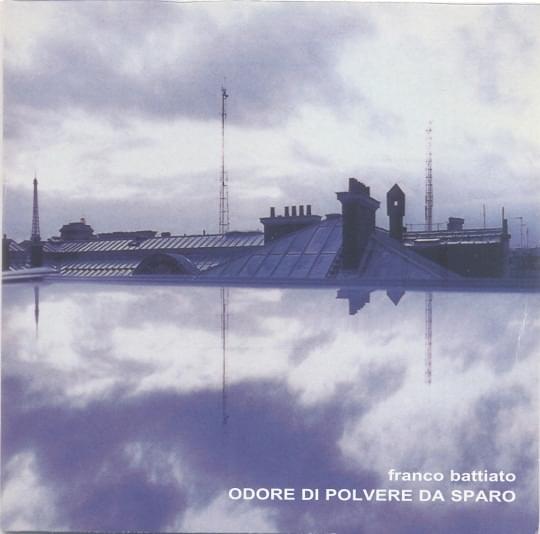
Franco Battiato's "Rooftop Arrival" (translated from the original Italian title, "Odore di polvere da sparo" or "Smell of Gunpowder") is a fragmented, dreamlike collage of images that evokes a sense of fading grandeur and impending collapse. The opening questions—"Is it true that on the Black Sea...roses bloom three times?"—immediately establish a tone of wistful uncertainty, a longing for impossible beauty amidst decay. The crumbling Doric columns and the talk of distances to Alexandria suggest a civilization in decline, its past glories reduced to ruins and memories. This sense of faded grandeur is reinforced by the line "Fasto della vecchia Europa" (Splendor of old Europe), highlighting a nostalgic yearning for a bygone era.
The recurring motif of gunpowder, both in the title and lyrics, introduces a sharp contrast to the romantic imagery. It represents the violence and destruction that inevitably accompany the decline of empires. The lines depicting troops firing on each other, with the "first rows falling like rain," paint a stark picture of brutal conflict. The mention of Baku, specifically "the left side...looking at the port," adds a layer of geographical specificity, grounding the abstract themes of decay and violence in a tangible location. This juxtaposition of beauty and brutality, of past glories and present conflicts, is central to the song's meaning.
Ultimately, "Rooftop Arrival" is a meditation on the cyclical nature of history, the rise and fall of civilizations, and the enduring human capacity for both creation and destruction. It's a song about memory, loss, and the haunting presence of the past in the present. The vedetta, or lookout, at the end of the song, perhaps, represents a figure watching over this unfolding drama, a silent observer of the human condition. The song leaves the listener with a lingering sense of unease, a recognition of the fragility of even the most impressive human achievements.