Song Meaning
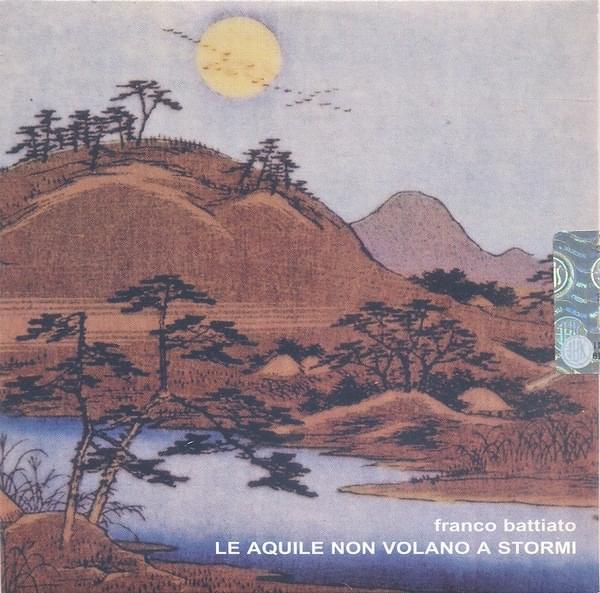
Franco Battiato's "Le aquile non volano a stormi" isn't just a song; it's a stark declaration of independence couched in the language of regret and resilience. The title, translating to "Eagles don't fly in flocks," immediately sets the tone. It's a pointed metaphor for the artist's own path, suggesting a deliberate choice to eschew the safety and conformity of the crowd in favor of a solitary, perhaps more challenging, journey. This theme of self-reliance is underscored by the acknowledgement of suffering the "damages of time" in silence, hinting at a burden carried alone. The path he sings of is "dark and uncertain," a fitting depiction of the individualistic, often misunderstood, creative life. The song subtly warns against succumbing to negativity, urging the listener to avoid being "suffocated by the malicious" or consumed by "envies and jealousies." These lines paint a picture of a world where the pressure to conform and the sting of others' bitterness constantly threaten to derail the individual spirit.
Battiato's lyrics are not without a sense of longing. The "living regret of the lost path" suggests a wistful acknowledgment of opportunities missed or sacrifices made in the pursuit of this singular vision. Yet, this regret doesn't negate the core conviction. Instead, it adds a layer of complex humanity, a recognition that even the most steadfast individual feels the pull of alternative possibilities. The reference to following "the guidance of ancient sages" and trusting the heart to "overcome evil" speaks to a deeper philosophical underpinning. It’s a call to tap into timeless wisdom and inner strength as compass points in navigating the treacherous terrain of nonconformity. This spiritual dimension elevates the song beyond a mere statement of independence, positioning it as a quest for authentic selfhood guided by enduring principles.
The sudden shift into Japanese in the final verse ("Shizukani tokino kizuni kurushimu / Murewo kundewa tobanai taka / Furuki oshiewo tadotte / Kokoronomamani konokanashimiwo norikoete") reinforces the core message while adding a layer of mystique. The repetition of "suffer the damages of time in silence" and "eagles don't fly in flocks" solidifies the central theme, while the invocation of "ancient teachings" and "overcoming this sadness according to the heart" resonates deeply with the song's overall message. The use of Japanese, a language distant from the song's Italian core, emphasizes the universal nature of this struggle for individuality. It's a reminder that the journey of the solitary eagle is a path walked across cultures and time.
 View Artist