Song Meaning
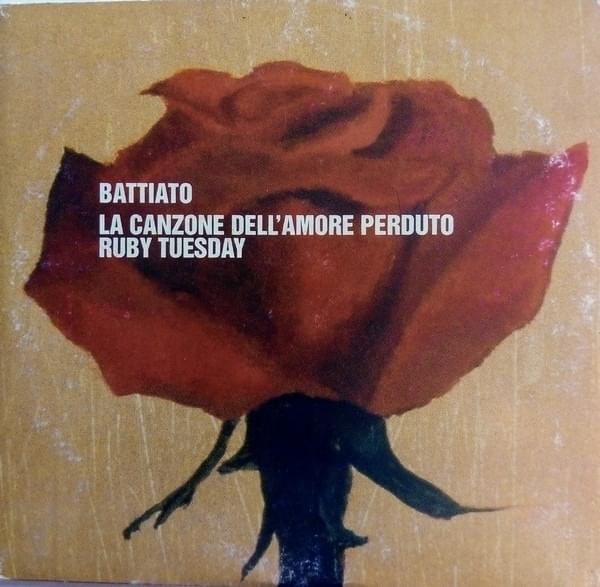
Franco Battiato's "La canzone dell'amore perduto" isn't just a lament; it's a masterclass in Italian melancholy, dissecting the anatomy of love's inevitable decay. The opening lines, steeped in the memory of violets blooming and whispered promises of eternal devotion, immediately establish a contrast. That naive optimism, symbolized by the vow of "Non ci lasceremo mai, mai e poi mai," is brutally juxtaposed with the swift wilting of roses, representing the ephemeral nature of passion itself. Battiato isn't simply mourning a breakup; he's diagnosing a universal truth: that even the most fervent love is susceptible to the ravages of time and circumstance. The song meaning hinges on this recognition of loss as an intrinsic part of the human experience.
The core of the song lies in the recognition of what remains after the initial fire has died. The "amore che strappa i capelli" (love that tears hair) is gone, replaced by listless caresses and a fragile tenderness. There's a sense of resignation, a weary acceptance of the diminished state of affection. The image of faded flowers held in hand, relics of a distant April, speaks volumes about the enduring power of nostalgia and regret. Battiato suggests that we are all, to some extent, haunted by the ghosts of loves past, holding onto withered symbols of what once was.
But "La canzone dell'amore perduto" takes a darker, more cynical turn. The lyrics suggest a desperate, perhaps misguided, attempt to recapture the lost intensity. The image of showering the next woman with gold for a kiss, a gesture never offered to the previous lover, reveals a deep-seated insecurity and a futile effort to compensate for past failings. This isn't about finding new love; it's about projecting an idealized version of love onto someone new, hoping to rewrite history and undo the pain of loss. Ultimately, Battiato paints a portrait of cyclical heartbreak, driven by our flawed human attempts to fill the void left by loves that inevitably fade.
 View Artist