Song Meaning
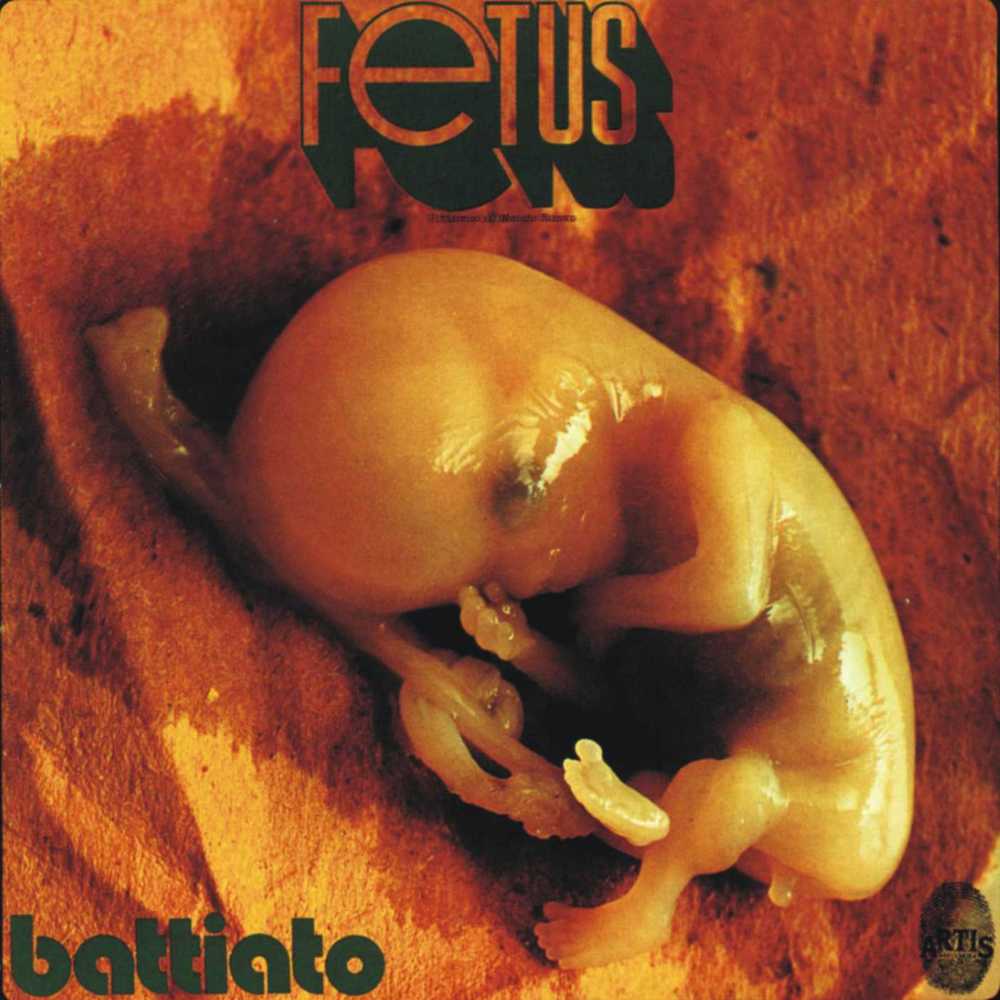
Franco Battiato's "Fetus" isn't just a song; it's an existential prelude, a sonic exploration of pre-birth consciousness. The lyrical simplicity belies a profound meditation on destiny and the perceived absence of love at life's very inception. Battiato, a master of blending high and low culture, here crafts a narrative from the perspective of a being not yet born, already grappling with the implications of existence. The opening lines, "Non ero ancora nato / Che già sentivo il cuore / Che la mia vita / Nasceva senza amore" immediately plunge the listener into a world of philosophical unease. This isn't a celebration of life; it's a lament for a life seemingly devoid of affection from its very beginning. Is this a statement about the human condition, where even in the womb, we're somehow aware of the world's inherent imperfections? Or is it a more personal reflection on the artist's own sense of alienation?
The image of "Mi trascinavo adagio / Dentro il corpo umano / Giù per le vene / Verso il mio destino" further amplifies this feeling of pre-ordained fate. The fetus isn't joyfully anticipating birth; it's dragging itself, almost reluctantly, towards a pre-determined end. The journey through the veins becomes a metaphor for the inescapable path we're all on, a path laid out before we even have a say in the matter. There's a certain fatalism at play here, a sense that our lives are not entirely our own, but rather a series of events we're compelled to navigate. The song's brilliance lies in its ability to evoke such weighty themes within such a concise and seemingly straightforward framework.
Ultimately, the song meaning of "Fetus" resides in its unsettling portrayal of pre-natal awareness. Battiato uses the unborn as a lens through which to examine fundamental questions about love, destiny, and the nature of existence itself. It's a stark, almost clinical examination of the human experience, stripped bare to its most essential elements. The absence of overt musical flourishes only enhances the song's power, forcing the listener to confront the raw emotional core of Battiato's lyrical vision.
 View Artist