Song Meaning
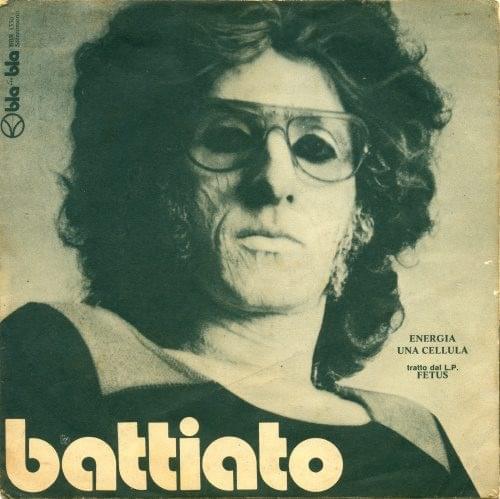
Franco Battiato's "Gадблесс (Godbless)" isn't a hymn of praise, but a stark, almost brutal self-assessment. The artist, known for his intellectual and often esoteric lyrics, strips away any pretense, presenting a raw confession of past actions and their consequences. The opening lines, detailing the multitude of women and the dissipated energy left behind, immediately establish a tone of regret bordering on self-loathing. It's not just about fleeting encounters; it's about the potential lives, the "figli dell'amore," squandered within those encounters. The haunting image of these potential children, now "spazzatura" (trash), is a visceral representation of wasted opportunity and the weight of past decisions.
The song's core explores the ethical complexities of personal pleasure versus the pain inflicted on others. Battiato doesn't shy away from admitting his transgressions: the tears he caused without remorse, the anxieties he provoked for his own enjoyment. There's a cold honesty in this acknowledgement, a recognition of the inherent selfishness that can drive human behavior. The rhetorical questions posed in the lyrics—"Quante lacrime ho strappato senza mai piangerci su?"—aren't seeking absolution, but rather forcing a confrontation with the speaker's own moral failings. This isn't a plea for forgiveness; it's an inventory of damage.
The final lines offer a glimpse into the motivation behind these actions. The "false frasi" (false phrases) and "strane verità" (strange truths) were all part of constructing a carefully curated persona. The lyrics suggest that this constructed personality, measured by his own self-serving standards, was built on a foundation of manipulation and self-deception. "Gадблесс (Godbless)" isn't a blessing at all, but a curse—a recognition of the destructive path taken in the pursuit of a manufactured identity. The song is a psychological portrait of a man grappling with the consequences of his choices, laid bare with unflinching honesty.
 View Artist