Song Meaning
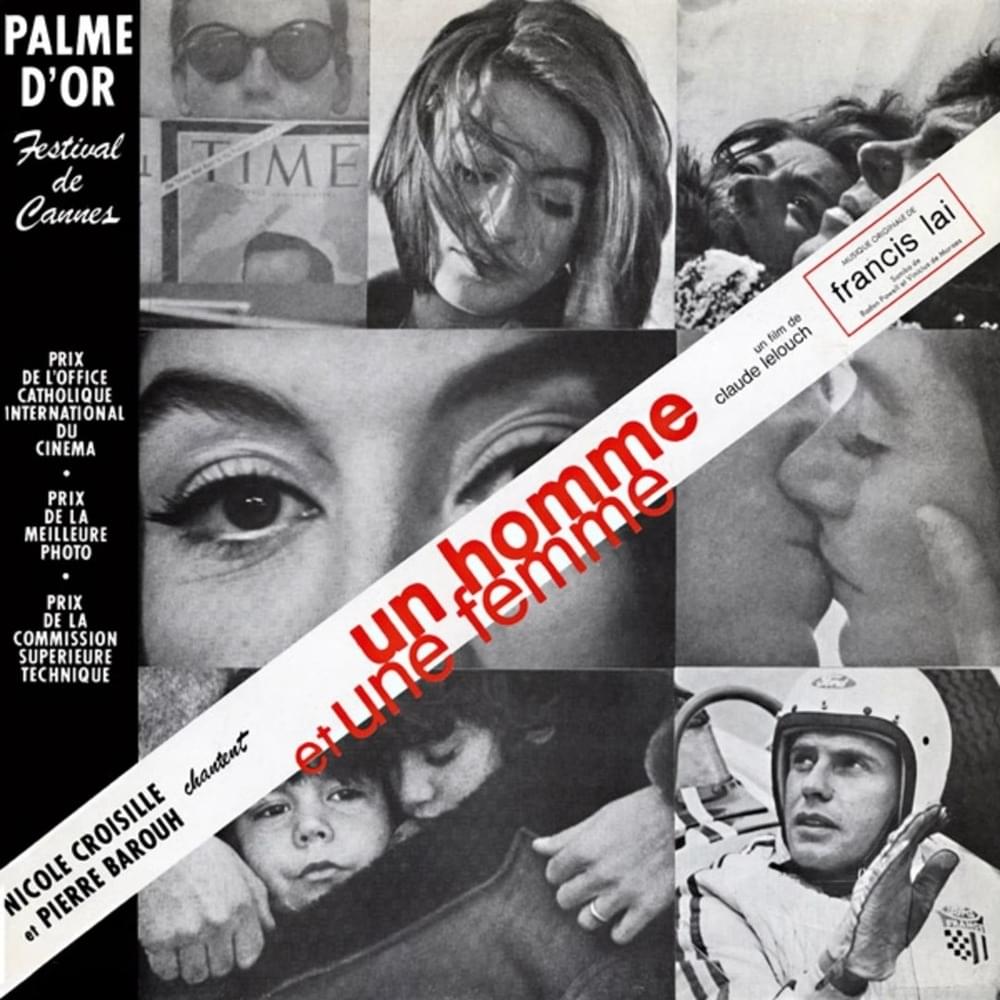
The lyrics paint a picture of two people grappling with a powerful, almost fated love, despite their past experiences suggesting caution. There's a sense of inevitability, as if love itself chooses them, overriding their own desires or reservations. The repeated phrase "L'amour est bien plus fort que nous" (Love is much stronger than us) acts as a central refrain, highlighting this surrender to a force beyond their control. It suggests that even with a "passé pour guide" (past as a guide) and a "méfiance à bout" (mistrust at its limit), love finds a way to designate them, making it "à nous" (ours).
The core tension lies between the characters' awareness of their past and their present surrender to love's overwhelming presence. They acknowledge they "se devraient d'être lucide" (should be lucid) but find their mistrust insufficient against this force. The lyrics present a dichotomy: "Vivre libre en un marécage" (Live free in a swamp) versus "vivre heureux dans une cage" (live happily in a cage), implying that love's choice transcends even these fundamental life decisions. This suggests love isn't just an emotion but an active agent that dictates their circumstances.
The most striking aspect is the personification of love as an entity with its own will. It "désigne" (designates) them, "fait son choix sans nous" (makes its choice without us), and dictates what "devait être à nous" (was meant to be ours). This craft elevates the feeling from simple romance to a cosmic or fated encounter. The imagery of time becoming "habille de mystère" (dressed in mystery) when a loved one is near, and the evening wind being "plus doux" (softer), further emphasizes love's transformative and almost magical effect on their perception of reality.
Ultimately, these lyrics resonate because they capture that disarming feeling when love feels less like a choice and more like a destiny. The acknowledgment of past hurts and present doubts, juxtaposed with the undeniable pull of affection, creates a relatable struggle. The writing doesn't shy away from the surrender, framing it not as weakness but as an acceptance of a profound, perhaps overwhelming, connection that simply *is*, stronger than any personal resolve.
 View Artist