Song Meaning
The lyrics paint a picture of the end of the day, a moment that feels both endless and ordinary. There's a sense of love arriving late, dissolving all prior mysteries into simple clarity. This quiet observation of light breaking through clouds, descending as a colorful, fading gift, sets a tone of gentle, everyday wonder. It’s a recurring surprise, a familiar yet unique spectacle that marks the close of each day.
The central tension seems to lie in the narrator's acceptance of life's cyclical nature and the quiet strength found within it. The repetition of "rever, repassar, repetir" and the idea of "incansavelmente recomeçar a emoção" suggest a deliberate embrace of continuity. This isn't about grand events, but the subtle, persistent "movimento da vida" – the movement of life – that allows one to "deixar-se levar" (let oneself be carried along).
The most striking craft element is the consistent framing of beauty in the mundane and the recurring. The "fim da tarde" (end of the afternoon) is described as "bonito" (beautiful) not for its uniqueness, but for its commonality and its seemingly infinite quality. This idea is mirrored in the "luz atravessa a nuvem" (light crosses the cloud) that "desce num feixe de cores que desmaiam" (descends in a beam of colors that fade), a fleeting yet profound visual. The recurring "anjo" (angel) whispering "coisas que cabem numa canção" (things that fit in a song) adds a layer of gentle, almost spiritual guidance.
Ultimately, these lyrics resonate because they find profound beauty and self-affirmation in the simple act of experiencing life as it unfolds. The "força de que eu sou capaz" (strength that I am capable of) and the "amor que sempre me refaz" (love that always remakes me) are presented not as external forces, but as inherent qualities revealed through the daily rhythm. The closing affirmation, "Bonito," ties together the beauty of the day, the love that renews, and the inherent strength of the narrator.
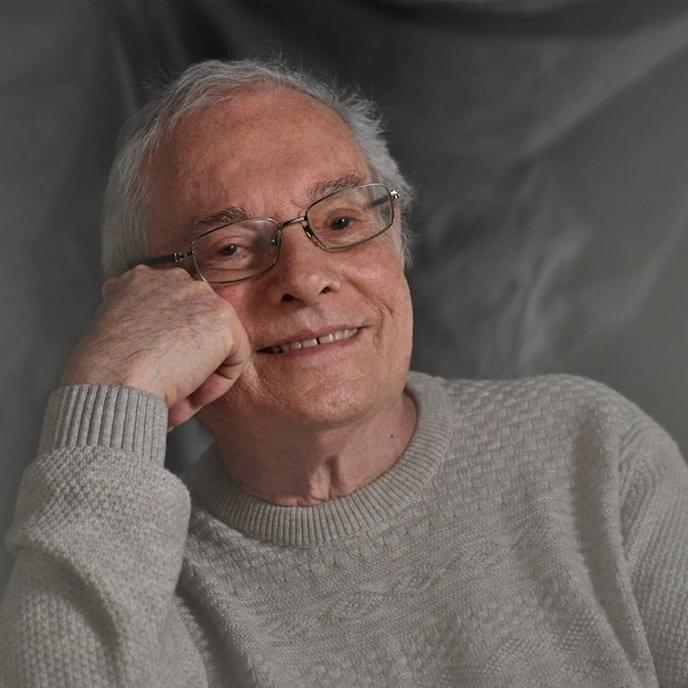
 View Artist