Song Meaning
The lyrics paint a picture of someone consumed by thoughts of a forbidden or unattainable love, leading to sleepless nights and dreams of this person. The narrator grapples with an intense, unexplained longing, questioning why they think of this individual "tanto assim" (so much). This obsession disrupts their peace, making them "noite em claro" (a sleepless night), a state directly linked to the memory of a "rosto raro" (rare face) that evokes the gentle glow of moonlight.
The central tension lies in the conflict between desire and impossibility. The narrator dreams of "alguém que não posso amar" (someone I cannot love), highlighting the painful awareness of this barrier. The phrase "O amor é cego, faz nascer não nego" (Love is blind, it makes me not deny it's born) suggests a love that has taken root despite its inherent difficulties, casting a "sombra em nosso olhar" (shadow in our gaze) – a metaphor for the obscuring effect of this unfulfilled passion.
The writing powerfully uses imagery of darkness and light to convey this emotional struggle. The pursuit of this person is likened to searching in a nightmare for someone who has fled, only to be left "tão sós" (so alone) as they "ri no fim do nevoeiro" (laugh at the end of the fog). Yet, even in this despair, the "rosto vem pra iluminar" (face comes to illuminate) the "sombra em nosso olhar," suggesting the beloved’s image, however painful, also offers a fleeting, guiding light amidst the darkness.
This lyrical construction is effective because it grounds abstract longing in concrete sensory details and relatable metaphors. The contrast between the suffocating "escuridão" (darkness) and the illuminating "rosto" (face) creates a vivid emotional landscape. The repetition of the plea "tua mão imploro" (your hand I implore) emphasizes the desperation, making the fleeting moments of illumination feel both precious and tragically temporary, temporarily, effective against the persistent shadow.
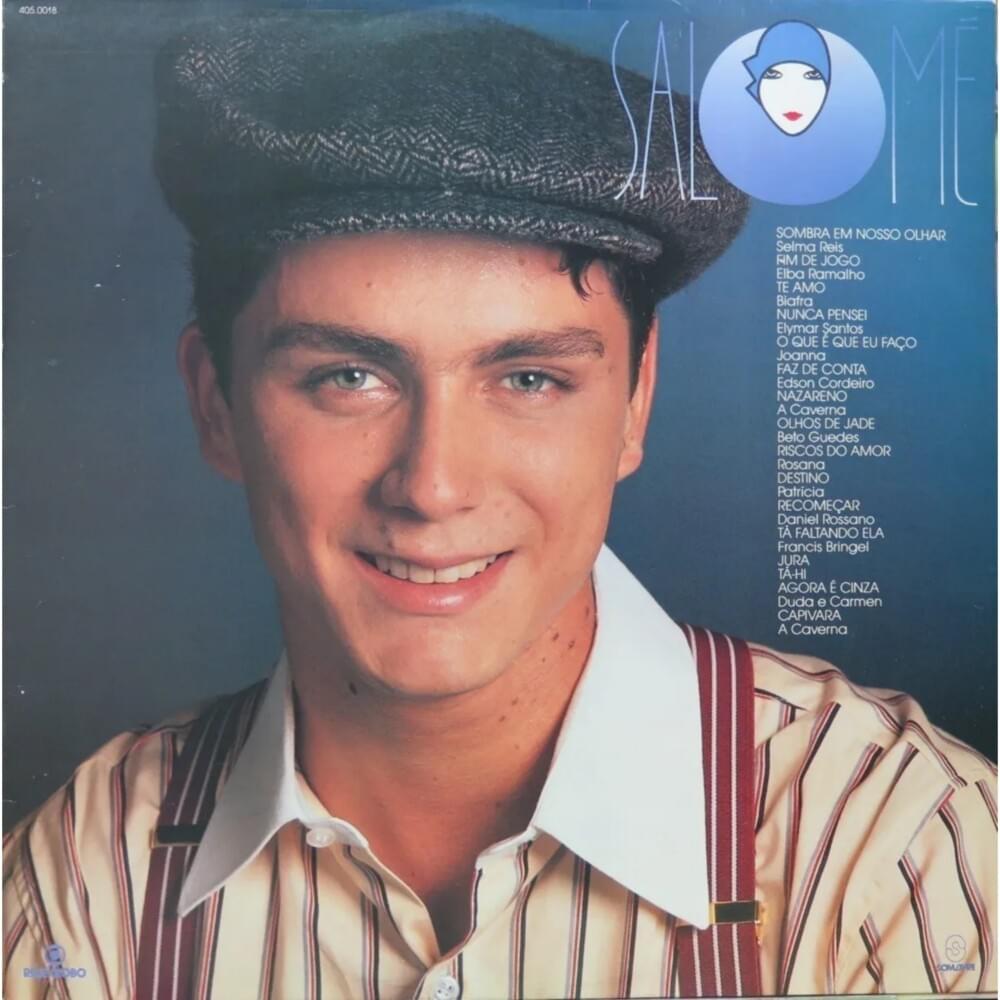
 View Artist