Song Meaning
The narrator is facing the stark reality of losing someone irreplaceable. The opening lines hammer home this point with a simple, devastating repetition: "Una come te / Io non la troverò mai più." This isn't just a fleeting thought; it's a profound acknowledgment of a unique connection that's slipping away. The immediate follow-up, "Una come te / Ma non posso più," introduces the central conflict: the inability to change or improve the situation.
The core tension lies in the narrator's self-awareness and resignation. He recognizes that asking for more time to change would be "inutile" (useless) and "solo per pietà" (only out of pity). This self-deprecating honesty prevents him from making further demands, as he feels he doesn't "merito" (deserve) them. This internal conflict between wanting to hold on and knowing he shouldn't is palpable.
The most striking aspect is the narrator's acceptance of his own failure, framed by the phrase "quest'ultima occasione" (this last chance). He understands that his inaction has led him to this point, and the consequence is inevitable: "sarà tardi quando / Cercherò di te." The repetition of the plea for time to change, even while acknowledging its futility, highlights a desperate, perhaps futile, hope.
This lyrical honesty makes the song hit so hard. It’s not about grand gestures or dramatic pleas, but the quiet, painful realization of personal fault and the acceptance of loss. The narrator isn't blaming the other person; he's looking inward, acknowledging his limitations and the finality of his situation, making the impending loss feel earned and deeply personal.
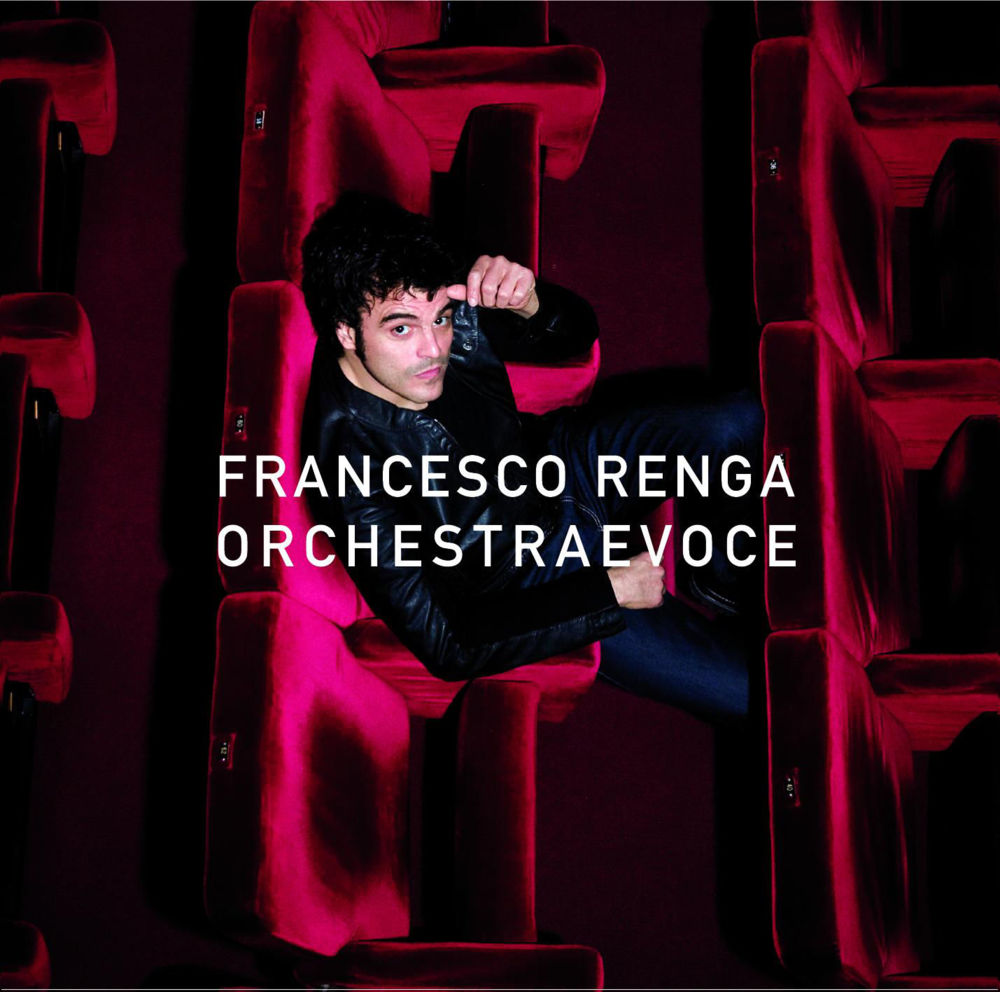
 View Artist