Song Meaning
This track opens with a stark contrast: a story that's "poco pratica" (impractical) but "facile come una favola" (easy as a fairytale), immediately undercut by "ma credimi / Non è così" (but believe me / It's not like that). The narrator sets a scene of impending finality, stating "E il tempo che ci spetta / Finisce qui" (And the time we have / Ends here). This sets a tone of disillusionment, where even pleasant conditions like sunshine become bothersome, with "Le giornate troppo limpide … mi uccidono" (Too clear days kill me).
The core tension lies in the narrator's struggle with a love that feels alien and destructive. The line "Affogo, baby L'amore avrà i miei occhi / Ma non assomiglia a me" (I'm drowning, baby, love will have my eyes / But it doesn't resemble me) is a powerful image of losing oneself within a relationship. It's not just a fleeting feeling, but a profound existential crisis, described as "È solo un mal di testa" (It's just a headache), suggesting a desire to dismiss its severity while acknowledging its persistent pain.
The lyrics employ a sharp, almost dismissive pragmatism as a coping mechanism. The narrator urges their partner to "Smetti pure di sognare, amore / Prendi al volo l'occasione e lascia perdere" (Go ahead and stop dreaming, love / Seize the opportunity and let it go). This advice, while seemingly practical for the partner's benefit ("Meglio per te" - Better for you), highlights the narrator's own inability to find a similar escape. They are left searching for answers they don't possess: "Cercherò Ancora una risposta ... Che non ho" (I will look for / Still for an answer... That I don't have).
The effectiveness of these lyrics stems from their unflinching portrayal of emotional drowning and the subsequent, futile search for an exit. The juxtaposition of fairytale ease with harsh reality, and the visceral image of love distorting one's own reflection, creates a potent sense of despair. The narrator's final admission of seeking an unobtainable answer underscores the depth of their internal conflict and the bleakness of their situation.
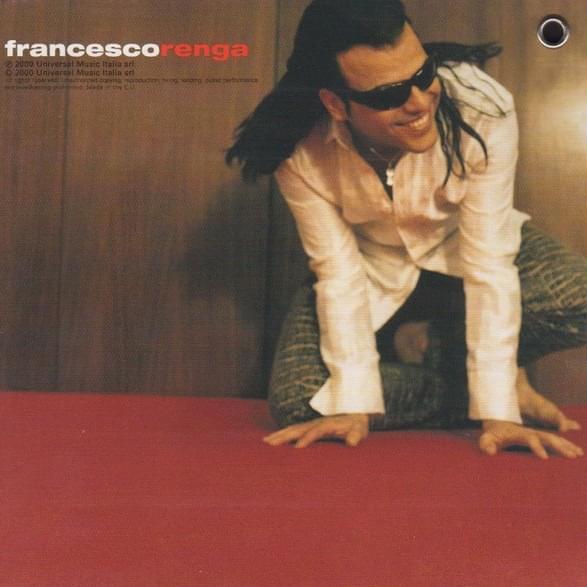
 View Artist