Song Meaning
This song paints a stark, chilling picture of a child victim of Auschwitz, his existence reduced to a memory carried by the wind. The opening lines immediately establish a profound sense of loss and innocence brutally extinguished: "Son morto con altri cento / Son morto ch'ero bambino." The imagery of being "Passato per il camino" is a direct, unsparing reference to the crematoria, transforming a human life into smoke that now "sono nel vento." This elemental state, the wind, becomes the sole vessel for his continued, albeit spectral, presence.
The dominant emotional tone is one of bewildered sorrow and a haunting, unanswerable question about human cruelty. The narrator recalls the "neve" and the "freddo giorno d'inverno" at Auschwitz, a scene of desolation amplified by the "grande silenzio" despite the presence of "tante persone." This silence is not peaceful but oppressive, a void where even the ability "A sorridere qui nel vento" is lost. The persistent refrain "E adesso sono nel vento" underscores the ephemeral, disembodied state of the victims, their physical forms obliterated but their essence dispersed.
The lyrics grapple with the incomprehensibility of such violence, posing the question "come può l'uomo / Uccidere un suo fratello?" The sheer scale of the atrocity is conveyed by "siamo a milioni / In polvere qui nel vento," a devastating image of humanity reduced to dust. The narrator observes that the "cannone" still thunders and the "belva umana" remains unsatisfied, suggesting a cycle of violence that continues even after the immediate horror. This cyclical nature is reinforced by the wind, which "ancora ci porta," carrying the remnants of those lost and perhaps the echoes of ongoing conflict.
The song's power lies in its directness and the child's perspective, which strips away any pretense or justification for the atrocities. The final plea, "quando sarà / Che l'uomo potrà imparare / A vivere senza ammazzare / E il vento si poserà," is not a demand but a fragile hope, a yearning for peace that can only come when humanity ceases its destructive impulses. The wind, a constant presence throughout, will only finally "poserà"—settle—when this fundamental change occurs, signifying a world finally at rest from its own violence.
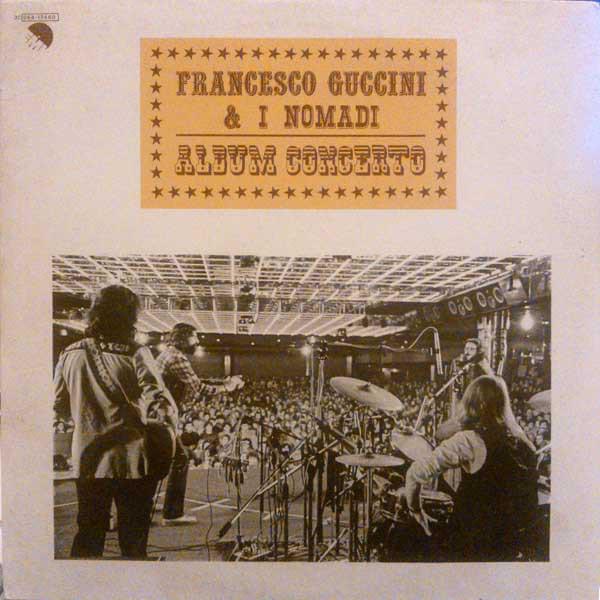
 View Artist