Song Meaning
This track paints a wistful portrait of a shared past, now tinged with absence. The narrator recalls a specific place, "via dei poeti," and the simple joys experienced there: "una chitarra e un bicchiere di vino." These memories, though perhaps hazy with time ("forse anche tu qualche volta ricordi"), evoke a sense of contentment, a moment when "forse eravamo felici." The scene is intimate, marked by shared words and companionship, suggesting a deep connection that once existed.
The core of the song lies in the stark contrast between that past happiness and the present loneliness. The narrator is now "solo a vuotare il bicchiere," a solitary act replacing the shared experience. The absence of the other person is palpable, marked by the direct statement, "ora non vieni piú qui con me a bere." This present solitude is amplified by the speculation about who might now be holding "la mano" of the person who is no longer present, highlighting a profound sense of loss and displacement.
The lyrics masterfully use repetition and a shift in perspective to underscore this emotional chasm. The initial hopeful "forse" (perhaps) of shared memory gives way to the definitive "ora" (now) of isolation. The simple refrain "La la la la" becomes a poignant, almost ironic, expression of singing alone, as the narrator admits, "Ma per me solo non voglio suonare." This highlights the dependency of his music, and perhaps his spirit, on the presence of the other.
Ultimately, the song's power comes from its grounded depiction of how cherished moments can fade, leaving an indelible mark. The narrator acknowledges the transient nature of happiness, "le cose piú belle / Forse finiscono prima del tempo," and the inevitability of moving on. Yet, the final lines reveal a lingering attachment to the past, a sense of leaving a piece of himself behind "in via dei poeti," suggesting that some places and memories hold an enduring, melancholic significance.
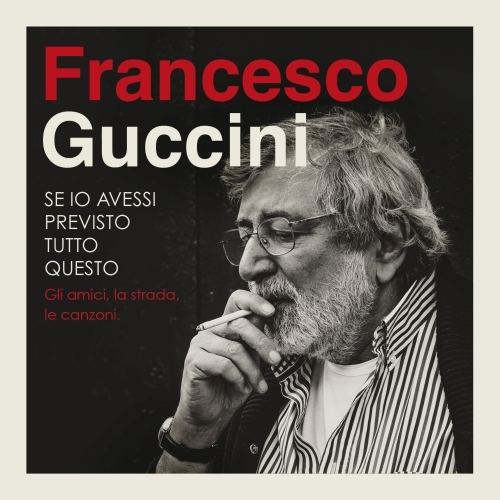
 View Artist