Song Meaning
The lyrics paint a stark picture of domestic life abruptly shattered by violence. Initially, Maria la Guêrza is depicted in a mundane scene, "vicino al focolare" (near the hearth), contemplating her meal. This quiet domesticity is interrupted by a sudden, alarming announcement: "Un azidänt / Ca ciapa a chi va là" (An accident / That happens to those who go there). The narrative then shifts, introducing a "giovinotto" (young man) who claims to have "vinto al lotto" (won the lottery), inviting Maria away with him. This sudden turn of fortune and departure creates an immediate sense of unease, a stark contrast to the earlier tranquility.
The core tension arises from the juxtaposition of Maria's seemingly innocent departure with her husband's brutal reaction. The invitation from the young man, framed as a stroke of luck, leads Maria and her companion to "Marco Greco" for a night of revelry, marked by excessive drinking and spending. The lyrics detail a "spreco" (waste) of "Cognac, caffè e bibite / E whisky, ancor siroppi." This scene of indulgence is violently interrupted by the husband's arrival, who accuses Maria of betrayal: "In cor tu m'hai tradito / Cedendo ad un invito." The swiftness of his accusation and subsequent action is chilling.
The most striking craft element is the abrupt shift from a celebratory, almost fantastical scenario of winning the lottery and indulging in drinks to the grim reality of domestic violence. The repetition of phrases like "Pensando al desinare" and "Vieni che ho vinto al lotto" initially establishes a rhythm, but the latter gains a sinister undertone as it precedes Maria's fatal encounter. The husband's declaration, "Così dicendo il barbaro / Marito che non scherza," directly labels him, leaving no room for ambiguity about his character or the horrific act that follows: "Scanna Maria la Guêrza / E la manda al gabariòt!" (He butchers Maria la Guêrza / And sends her to the devil!).
These lyrics are effective because they capture a sudden, brutal descent from ordinary life into tragedy, driven by a sudden, unprovoked act of violence. The narrative moves from the quiet hum of domesticity to the chaotic revelry of a supposed windfall, only to be brutally cut short by the husband's possessive rage. The stark contrast between the initial scene and the final act, coupled with the direct, unadorned description of the murder, creates a powerful and disturbing impact, highlighting the fragility of peace and the devastating consequences of unchecked jealousy.
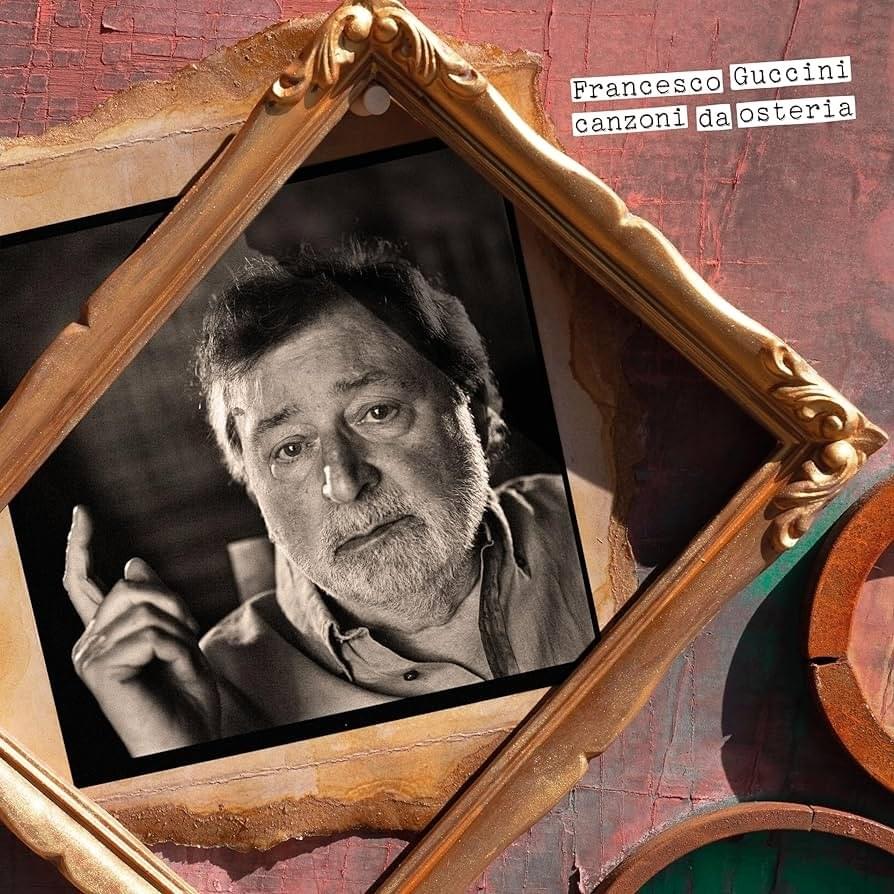
 View Artist