Song Meaning
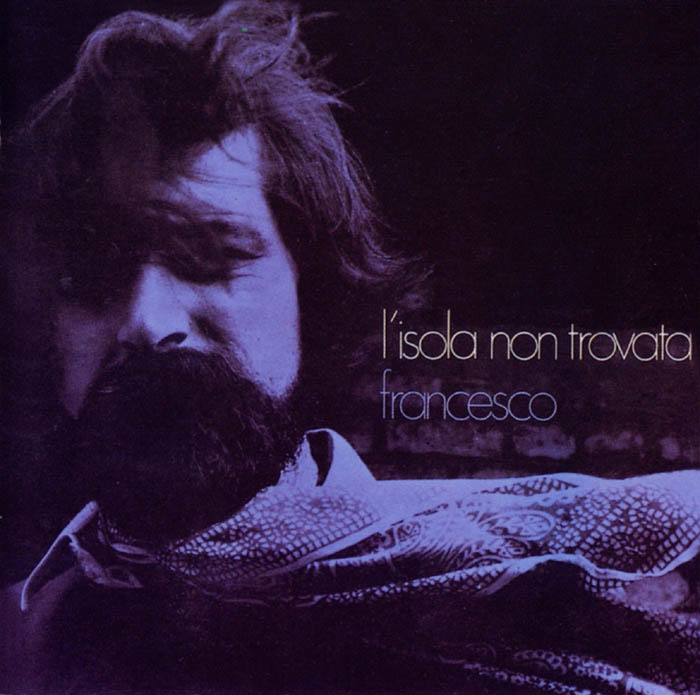
The lyrics paint a picture of a mythical, unattainable island, a concept so grand it was formally granted by kings and sealed by the Pope. This initial setup establishes the island not just as a place, but as an idea, a possession documented in official, ancient script. The narrator immediately highlights its paradoxical nature: it's the most beautiful island, yet it was never found. This sets the stage for a narrative about desire and elusiveness.
The core tension lies in the pursuit of this phantom island, a quest undertaken by the King of Spain. The lyrics starkly state, "Però quell'isola non c'era e mai nessuno l'ha trovata," emphasizing its non-existence and the futility of the search. It vanishes "come un'idea," a "splendida utopia," suggesting that the island represents an abstract ideal that dissolves upon closer inspection or attempted realization. It's a dream that slips away, never to return.
The craft here hinges on potent imagery of elusiveness and mystery. Ancient charts bear "un segno misterioso," and sailors whisper of it with "timor superstizioso," building an atmosphere of legend and fear. The island appears "avvolta di foschia," a beautiful mirage that "è già volata via" as one approaches. This visual of a shimmering, receding horizon, "color di lontananza," perfectly captures the essence of something perpetually out of reach, existing only as a distant, alluring possibility.
What makes these lyrics resonate is their profound exploration of unattainable desires. The island isn't just a geographical anomaly; it's a metaphor for any grand ambition or perfect ideal that remains forever beyond our grasp. The detailed, almost bureaucratic description of its "granting" contrasts sharply with its ultimate non-existence, underscoring the painful gap between aspiration and reality. The writing captures the bittersweet ache of chasing something beautiful that can never truly be possessed.
 View Artist