Song Meaning
The narrator expresses a profound desire to eschew traditional burial, opting instead for a burial beneath a young, strong tree. This isn't a morbid wish, but rather a yearning for continued existence, a return to the earth in a vibrant, living form. The idea of a "heavy stone" is rejected, suggesting a rejection of earthly burdens and a preference for a lighter, more integrated state of being after death. The focus shifts from a static monument to a dynamic, natural cycle.
The core tension lies in the narrator's longing to remain "alive" and connected to the world even after death, specifically through the tree. The lyrics paint a picture of a cyclical existence, where the narrator's consciousness or essence merges with the plant. This is not a passive waiting but an active participation in the seasons, a hopeful anticipation of "waking up" and continuing to live in a transformed state. The repeated phrase "ancora vivo" (still alive) emphasizes this persistent desire for life.
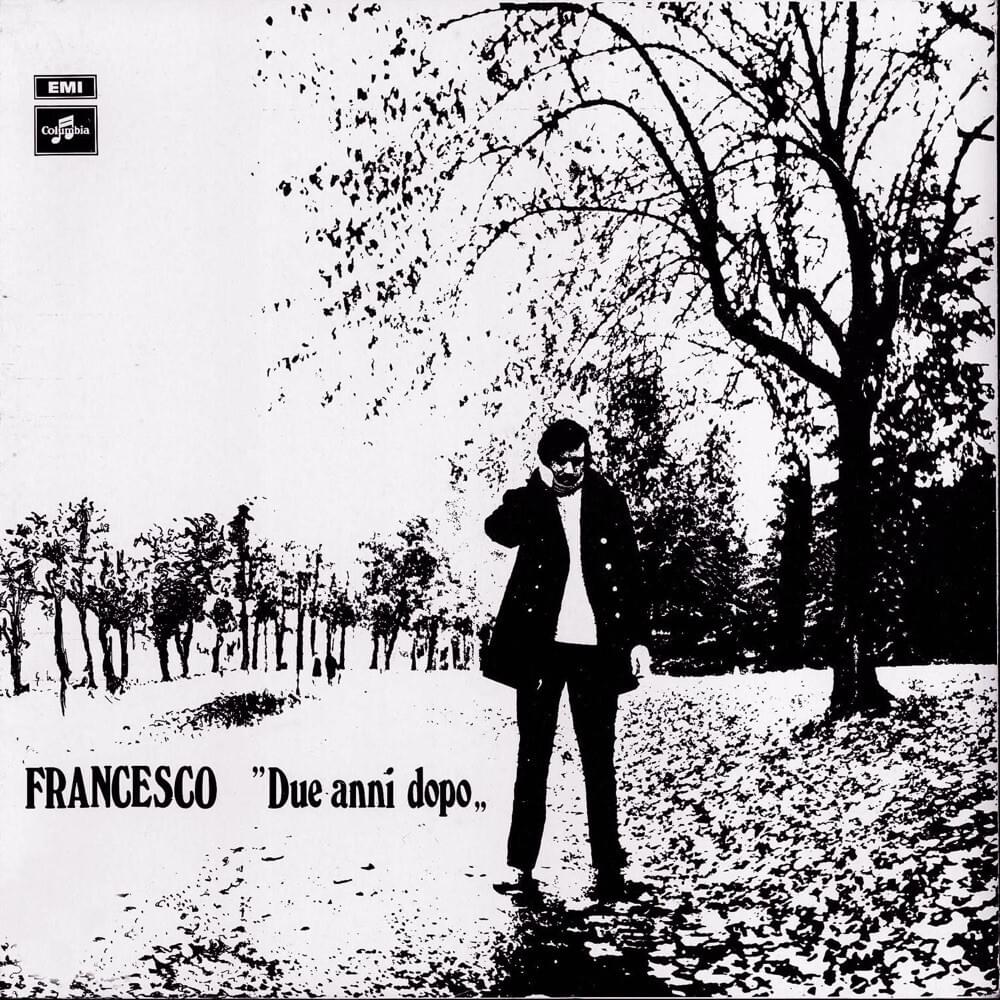
The most striking craft element is the extended metaphor of the narrator becoming one with the tree. The "fingers of branches" reaching towards the sky and the "flags of leaves" waving in the wind are vivid images that blur the lines between human and plant. This personification of the tree and the narrator's identification with it creates a powerful sense of unity. The contrast between the "heavy stone" and the "strong tree" highlights the shift from a somber, static end to a lively, eternal continuation.
This lyrical vision is effective because it offers a hopeful, almost romantic, perspective on mortality. Instead of finality, it proposes an eternal, earthly communion with nature. The imagery is deeply rooted in natural cycles, making the narrator's desire for continued life feel organic and beautiful. The ultimate union with the tree, "svettanti" (soaring) against the sky, provides a sense of enduring presence and peace.
 View Artist