Song Meaning
The lyrics paint a somber portrait of Barun Litrun's final moments, beginning with a somber scene in Turin where "counts" and "ladies" mourn his impending death. This sets a tone of widespread grief for a figure of some importance. The narrative then shifts to the King, who, upon hearing of Barun Litrun's illness, dispatches carriages, suggesting a royal concern or perhaps a duty to attend to a significant subject. The scene is further amplified by the celebratory sounds of trumpets and cannons as Barun Litrun approaches the city of Cuneo, a stark contrast to the underlying illness.
The central tension arises from the juxtaposition of impending death and outward celebration. Barun Litrun himself acknowledges his dire condition, stating, "This malaria will make me die; I have no hope of recovery." This personal despair clashes with the King's attempts to offer solace and reward: "I will give you gold and silver; I will make you First General." The King's promises of wealth and status seem hollow in the face of mortality, highlighting the powerlessness of earthly riches against death.
The lyrics cleverly use repetition and contrasting imagery to underscore the theme of mortality's impartiality. The repeated phrase "Barun Litrun" anchors the narrative, while the contrast between the King's grand offers and Barun Litrun's resigned acceptance is striking. The final verses reveal a profound reflection on death: it spares neither kings nor generals, and its arrival is marked by the tolling of bells and the firing of cannons, sounds that typically signify celebration but here accompany a final breath. This suggests that even the highest honors and the most joyous sounds cannot alter death's course.
What makes these lyrics resonate is their unflinching portrayal of a dignified, albeit somber, end. The narrative doesn't shy away from the reality of illness and death, yet it frames Barun Litrun's passing with a sense of respect. The King's actions, though perhaps futile, show a recognition of the individual's worth, while Barun Litrun's final words, "Thank you, your crown, I can no longer reach so much," express a humble acceptance of his fate. The use of celebratory sounds for a deathbed scene creates a poignant, almost ironic, atmosphere that lingers long after the final note.
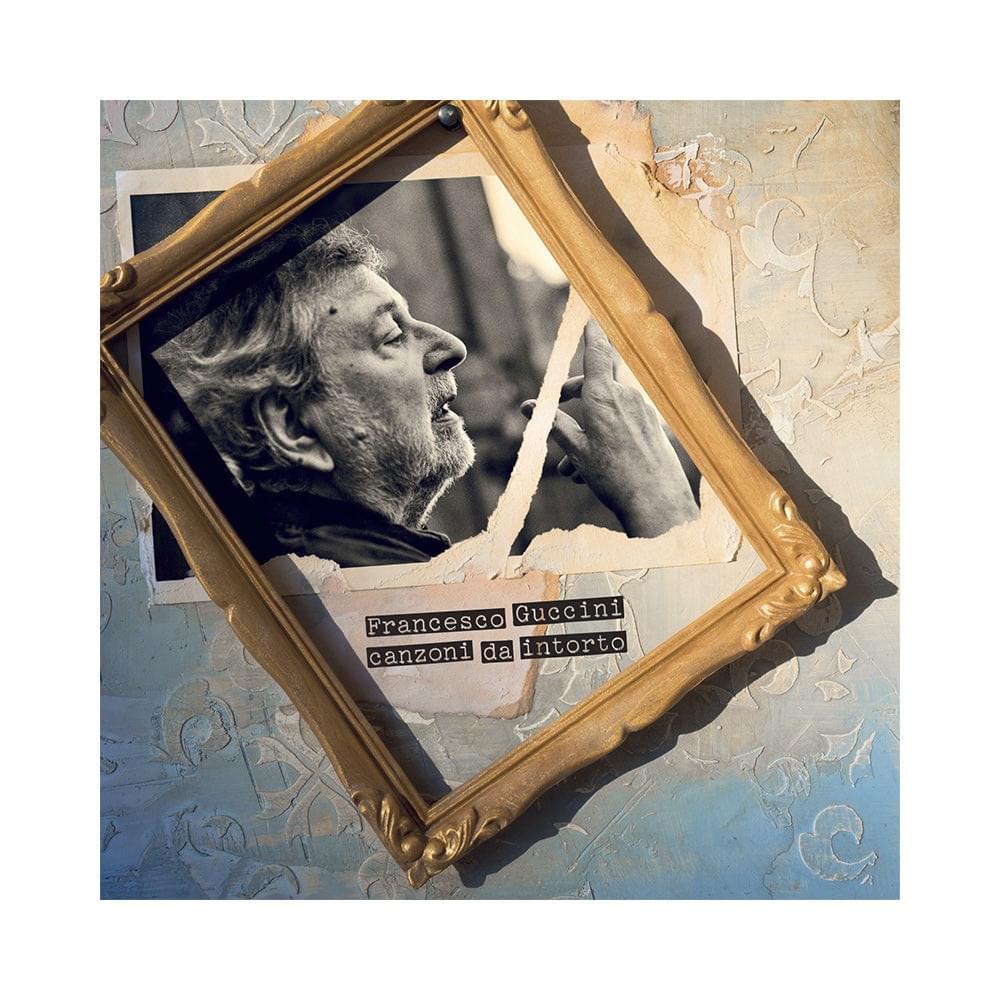
 View Artist