Song Meaning
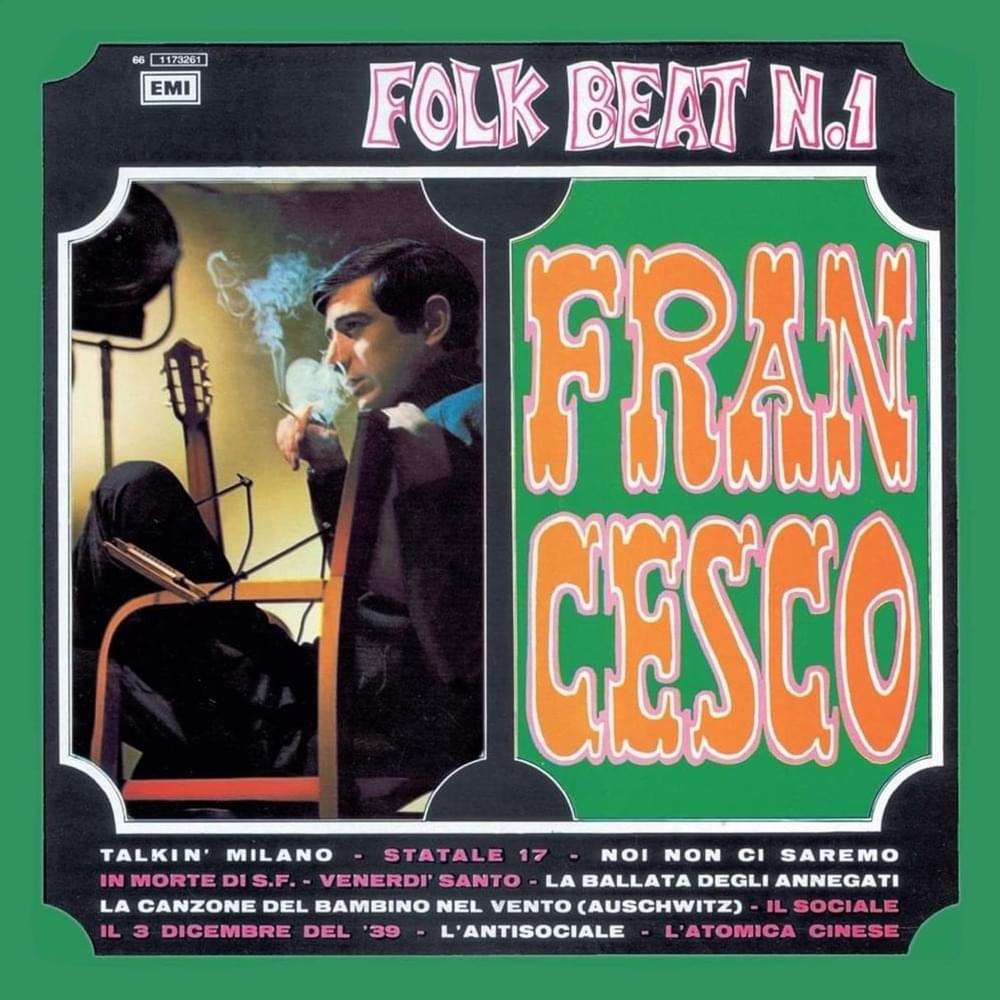
The lyrics paint a stark picture of death and its aftermath, beginning with the chilling declaration, "Son morto con altri cento" (I died with another hundred). The narrator, identified as a child who perished and was cremated, now exists only as a disembodied voice carried "nel vento" (in the wind). This opening establishes a tone of profound loss and a spectral existence, immediately grounding the listener in a place of unimaginable tragedy.
The central tension arises from the juxtaposition of immense suffering and a persistent, almost indifferent natural world. The image of snow falling on Auschwitz, with smoke rising "lento" (slowly) on a cold winter day, creates a disquieting contrast between the horrific human actions and the serene, yet cold, environment. This disconnect is amplified by the narrator's inability to "sorridere qui nel vento" (smile here in the wind), highlighting the enduring pain that transcends even death.
The recurring phrase "E adesso sono nel vento" (And now I am in the wind) functions as a haunting refrain, emphasizing the narrator's fragmented and dispersed state. It's a powerful metaphor for the countless lives reduced to nothingness, their physical forms gone, leaving only an intangible presence. The lyrics also pose direct, anguished questions about humanity's capacity for violence: "come può un uomo / Uccidere un suo fratello" (how can one man / Kill his brother), underscoring the profound moral and existential crisis at the heart of the tragedy.
What makes these lyrics so impactful is their raw, unadorned delivery of immense grief and a desperate plea for change. The simple, direct language and the relentless repetition of the wind motif create an overwhelming sense of desolation and a yearning for peace. The final lines, where the wind "si poserà" (will rest) only when humanity learns "a vivere senza ammazzare" (to live without killing), transform the personal tragedy into a universal, urgent call for an end to violence, leaving the listener with a heavy, unresolved ache.
 View Artist