Song Meaning
The lyrics paint a vivid picture of pervasive, internal suffering, not necessarily physical but deeply felt. The narrator describes a litany of ailments – a leg ache, a broken back, a beast in the throat, stars bursting in the eyes, scraped knees – all of which seem to manifest as a profound sense of unease and a desperate urge to escape. This isn't about a single ailment; it's a collection of 'piccoli dolori,' small pains that accumulate into an overwhelming burden.
The central tension arises from the narrator's inability to articulate or escape these persistent afflictions. They have 'dogs in the head' that are 'about to bark,' 'hell in the stomach,' and 'noise in the ears,' yet they've 'lost their voice' and 'want to talk.' This creates a powerful sense of internal conflict, a mind and body in distress, trapped by its own sensations and unable to communicate the depth of its pain. The 'small pains' are presented as unwelcome companions, 'travelers' who 'dig inside hearts' but don't hold grudges, suggesting a cyclical, almost indifferent nature to this suffering.
The most striking aspect of the craft is the relentless, almost surreal imagery used to personify these internal pains. The 'beast at the throat,' 'stars in the eyes,' 'dogs at the head,' and a 'cicada in the brain' are not mere metaphors but visceral manifestations of anxiety and distress. The contrast between the desire to speak and the loss of voice, or the inability to sleep yet not being able to wake up, highlights a state of paralysis and profound discomfort. The recurring phrase 'piccoli dolori' (small pains) becomes ironic, as these 'small' pains are clearly causing immense suffering and a feeling of being overwhelmed, like a 'crab between the sheets.'
Ultimately, the effectiveness of these lyrics lies in their raw, unflinching portrayal of internal turmoil. The narrator’s struggle feels intensely personal yet taps into a universal experience of feeling overwhelmed by unseen burdens. The writing doesn't offer solutions but instead immerses the listener in the narrator's disquieting reality, where small, persistent pains accumulate to create a profound sense of suffering and isolation, leaving the narrator to simply watch these 'small pains' wave goodbye as they pass.
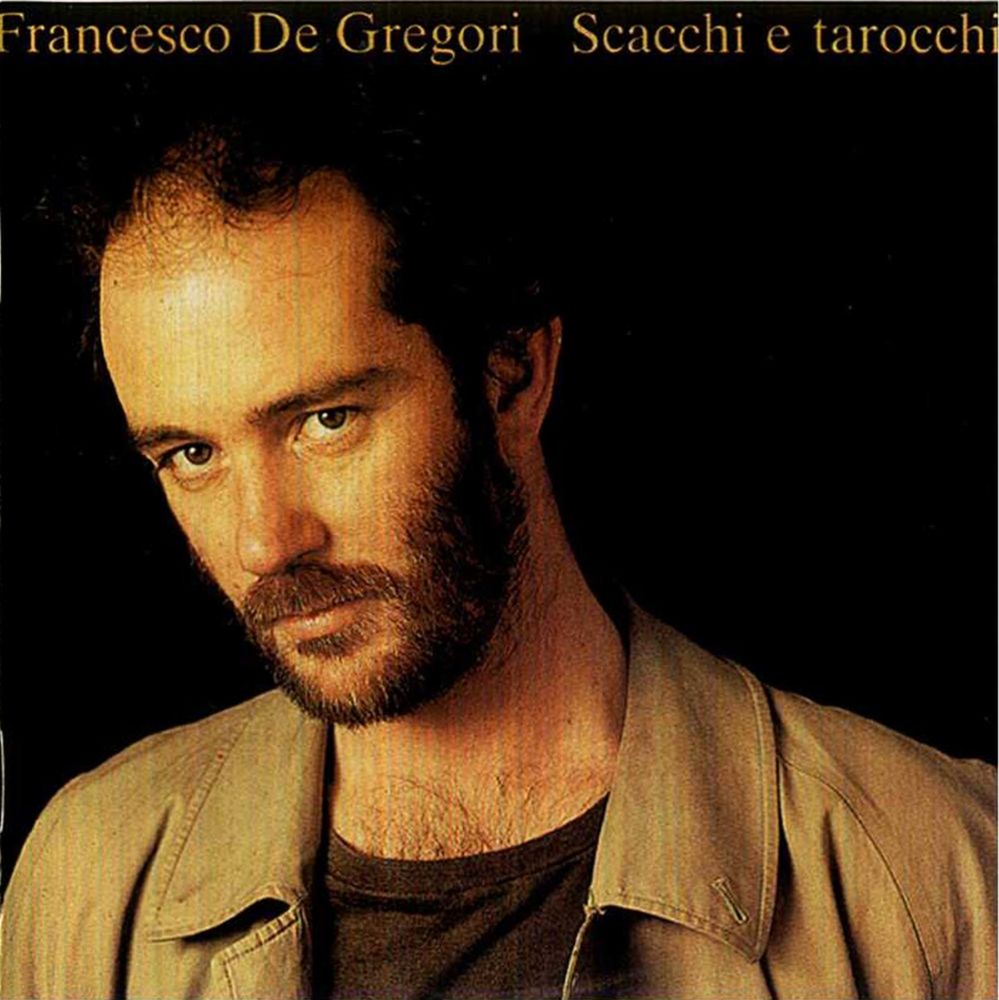
 View Artist