Song Meaning
The lyrics paint a vivid, almost cinematic picture of a lost love, shrouded in mystery and defiance. The narrator waits in the shadows, a stark contrast to the subject's bold, almost criminal persona, marked by "trucco infame" and a "giacca da bandito." This opening sets a tone of longing and a sense of being left behind, grappling with the harsh realities of their situation while the other person seems to be embracing a dangerous freedom.
The central tension lies in the narrator's enduring, almost passive acceptance of the subject's elusive nature. They waited, accepting the subject like "una bella calligrafia," a beautiful but perhaps superficial inscription. The subject is depicted as lost "nei segni" and "perduta nella notte," suggesting a life of uncertainty or perhaps self-destruction, fueled by "speranze di vittoria" that seem increasingly out of reach.
The most striking aspect is the narrator's self-description and their unique claim to belonging. While the subject might conquer "vari uomini bruni," the narrator's address is "Via del sopracciglio destro," a hyper-specific, intimate, and almost absurdly precise location. This suggests a deep, almost anatomical knowledge of the subject, a claim to a fundamental part of them that transcends physical conquest or fleeting encounters, even as other parts of the narrator remain exposed and vulnerable.
This intricate, almost surreal imagery makes the lyrics resonate. The contrast between the subject's outward bravado and the narrator's quiet, specific devotion creates a powerful emotional pull. The specificity of the narrator's "indirizzo" grounds the abstract pain of absence in a tangible, albeit peculiar, claim of connection, highlighting the enduring impact of a relationship that defies easy definition or conventional understanding.
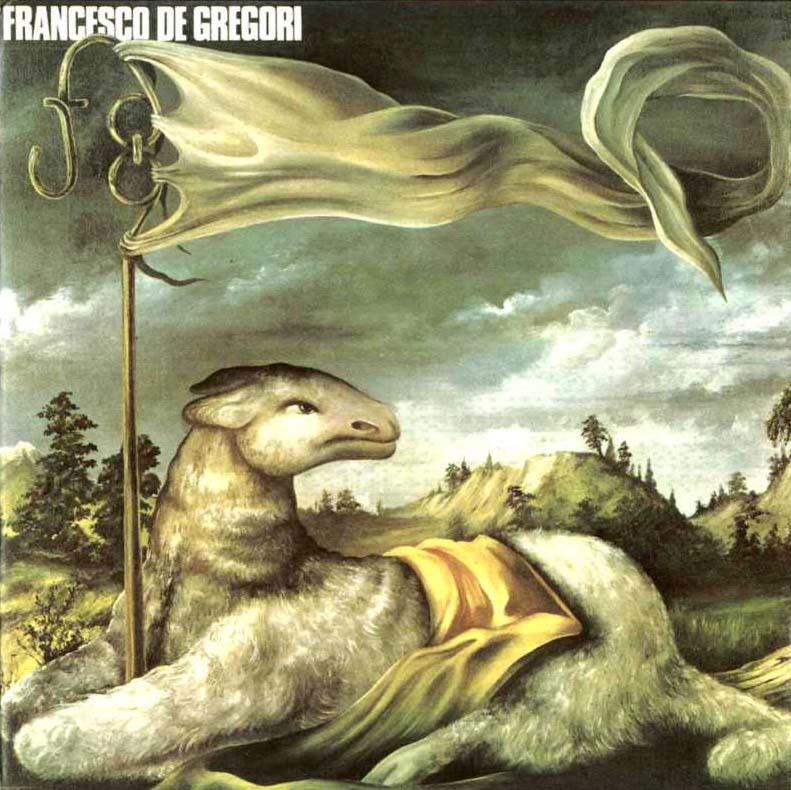
 View Artist