Song Meaning
The narrator finds themselves locked out of their own life, standing outside their own door and realizing their most precious possessions are now beyond reach. This initial disorientation quickly shifts to a determined resolve to reclaim what's been lost, marked by a repeated, almost desperate knocking. The scene is one of profound alienation, a stark contrast between the self and the familiar space now rendered inaccessible.
The core tension arises from this feeling of being an outsider to one's own existence, coupled with a growing impatience. The narrator observes the world, their own hands, and the general plea for help, suggesting a broader societal or personal disarray that mirrors their own predicament. This external "world" asking for help to fix "things left behind" seems to be a reflection of the narrator's internal state and their own stalled progress.
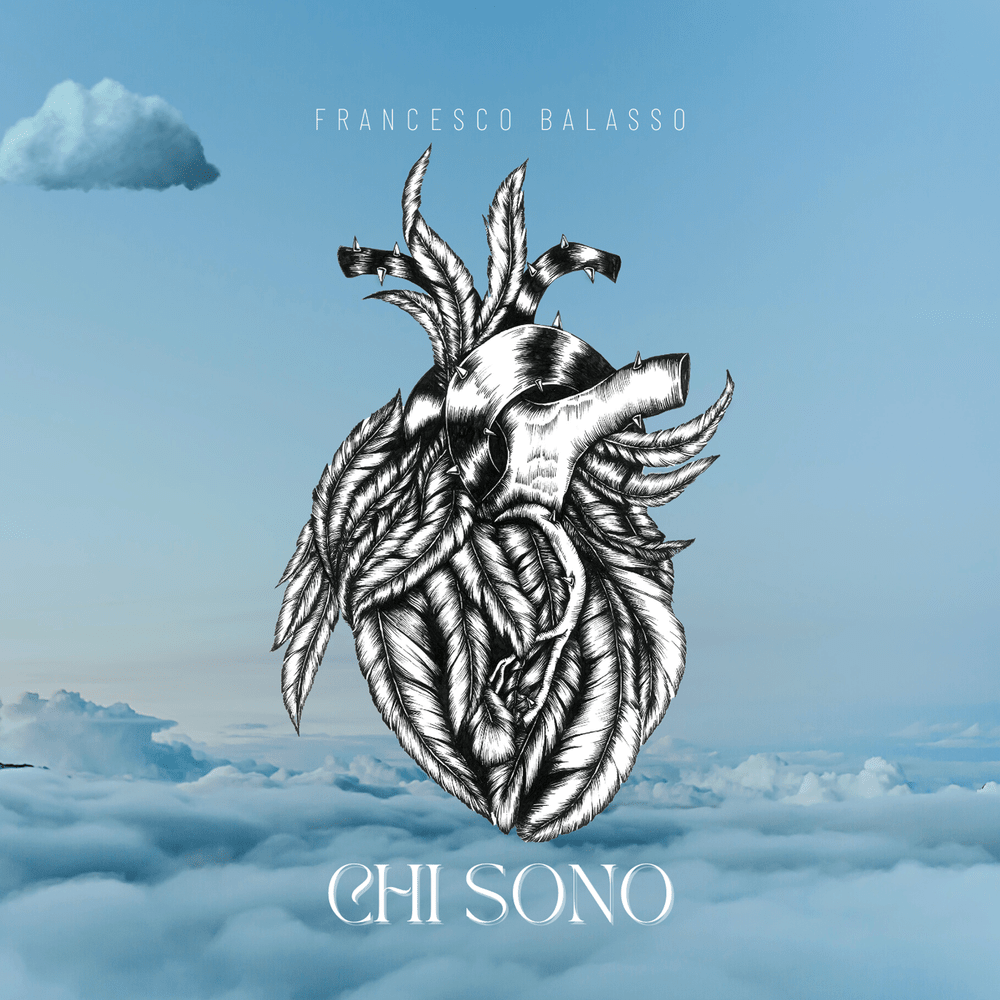
The repeated question, "Allora tu chi sei?" (So who are you?), directed both inward and outward, becomes the central motif. It's a desperate interrogation of identity and agency in the face of this lockout. The lyrics suggest that the passage of time, initially perceived as wasted waiting, gains value through encounters with "interesting people." This implies a dawning realization that external interactions and shared experiences, even amidst personal stasis, can reframe the meaning of time and potentially offer a path back in.
This lyrical construction is effective because it grounds a universal feeling of being stuck or disconnected in a very specific, almost surreal image of being locked out of one's own home. The persistent questioning and the eventual, subtle shift in perspective—from passive waiting to recognizing the value in shared time—create a compelling narrative arc. It's this blend of raw vulnerability and the slow emergence of self-awareness that makes the narrator's struggle resonate.
 View Artist