Song Meaning
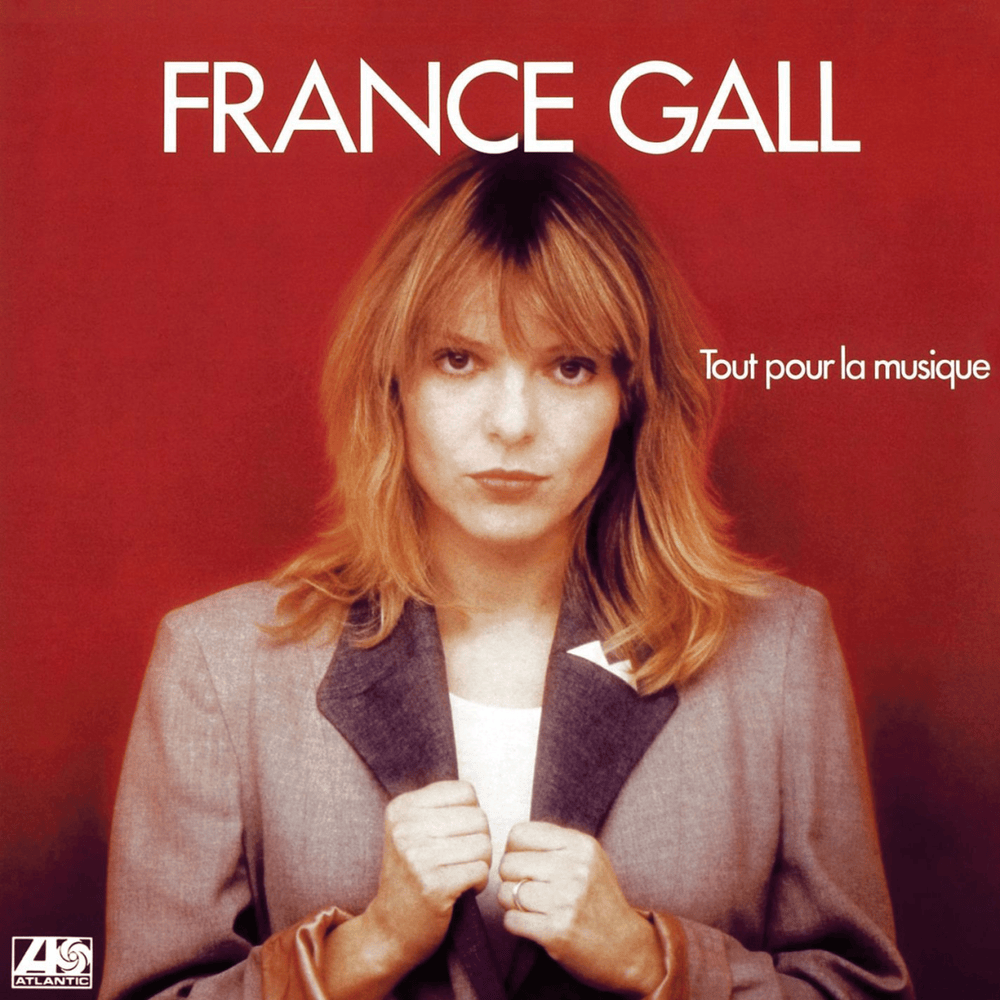
France Gall's "Vahiné" isn't just a song; it's a whispered promise of escape, a lullaby against the harsh realities of a life seemingly preordained for struggle. The song meaning centers on the intimate bond between a father and daughter, framed by the father's wistful dreams of a Polynesian paradise embodied in the daughter's nickname, Vahiné. He sees in her not just a child, but a 'revanche idéale' – an ideal revenge against a life stolen by societal norms and expectations in a 'monotone' and morally stifling capital city. The father's invented nickname acts as a potent symbol, representing the voyages he only 'imaginait,' a yearning for freedom and authenticity projected onto his daughter. It’s a poignant recognition that he will never experience that freedom himself. The repeated exhortation, 'Vahine, là où ton cœur t'appelle, va' (Vahine, go where your heart calls you), is both a blessing and an instruction: to follow one's passions, to seek love, and to create one's own music, even when a 'vie facile' (easy life) is perpetually out of reach.
This escape is not merely physical; it’s deeply emotional and psychological. As Paris fades into a 'flou' (blurred) sunset, the daughter seeks refuge at her father's knees, where memories of childhood and freedom resurface, momentarily eclipsing the 'gris de la pierre' (gray of the stone) – the oppressive urban landscape. This act of seeking refuge highlights the father as a sanctuary. The name "Vahiné" becomes a mantra, a portal to a world untainted by the capital's 'drôle de morale' (strange morality). It’s a space where imagination and longing can momentarily triumph over the constraints of reality. The lyrics analysis reveals a delicate balance between inherited dreams and the individual’s quest for self-discovery. The song acknowledges the inherent difficulty, even impossibility, of achieving a truly 'easy life', but suggests that inner freedom and the pursuit of one's passions are victories in themselves.
Ultimately, "Vahiné" is a testament to the enduring power of familial love and the human spirit's capacity for dreaming, even in the face of adversity. France Gall delivers the song with a tenderness that underscores the profound connection between father and daughter, transforming a simple nickname into a powerful emblem of hope and resilience. The song's gentle melody and evocative lyrics invite the listener to contemplate their own 'Vahiné' – the inner voice that beckons them toward authenticity and self-expression, regardless of the obstacles they may face. The song meaning is complex: it's a song for anyone who has ever felt trapped by circumstance, but who dares to dream of a different life, guided by the compass of their own heart.
 View Artist