Song Meaning
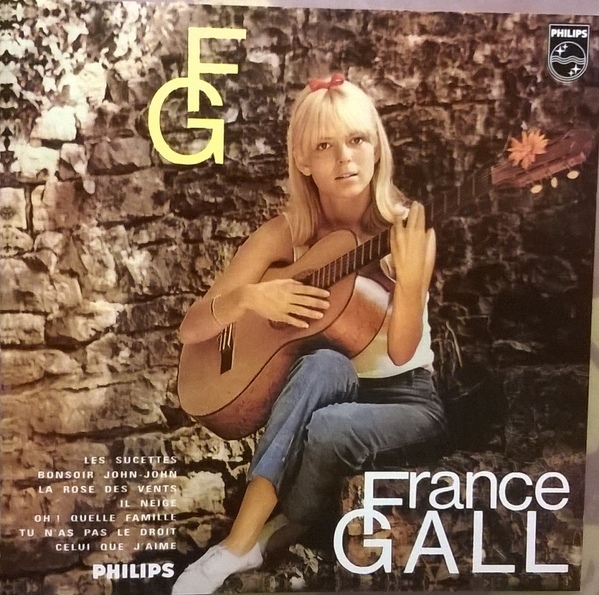
France Gall's "Tu n'as pas le droit" isn't just a kiss-off; it's a declaration of independence carved from the wreckage of emotional manipulation. The song meaning resonates with anyone who's been gaslit, controlled, or made to feel less-than by a partner. Gall's defiant tone, even within the relatively tame pop landscape of her era, signals a turning point: no more manufactured smiles, no more empty promises whispered to others. The singer acknowledges the death of love within the other person, refusing to participate in the charade any longer. This is a crucial step in breaking free. She refuses to accept insincere words and recognizes the pattern of deceit.
The core of the song pulses with a raw duality: "Je te hais / Et pourtant / Je t'aimais." This isn't simple anger; it's the complex grief of realizing the person you loved was never who you thought they were. The lyrics point to a history of control, where the singer was expected to follow blindly, subjected to arbitrary rules and restrictions, treated like a child. The implicit accusation is that the other person underestimated her strength, assuming she'd crumble and beg for forgiveness. Instead, they've unwittingly ignited her rebellion.
Ultimately, "Tu n'as pas le droit" is about reclaiming agency. The singer asserts her newfound freedom, not as a passive state, but as an active choice. The final verses are a powerful act of banishment. She's not just walking away; she's expunging the other person from her thoughts, casting them out like a demon. It's a visceral rejection of the past, a promise of a future defined on her own terms. The song serves as a potent anthem for anyone breaking free from a toxic relationship, turning pain into a catalyst for self-discovery and liberation.
 View Artist