Song Meaning
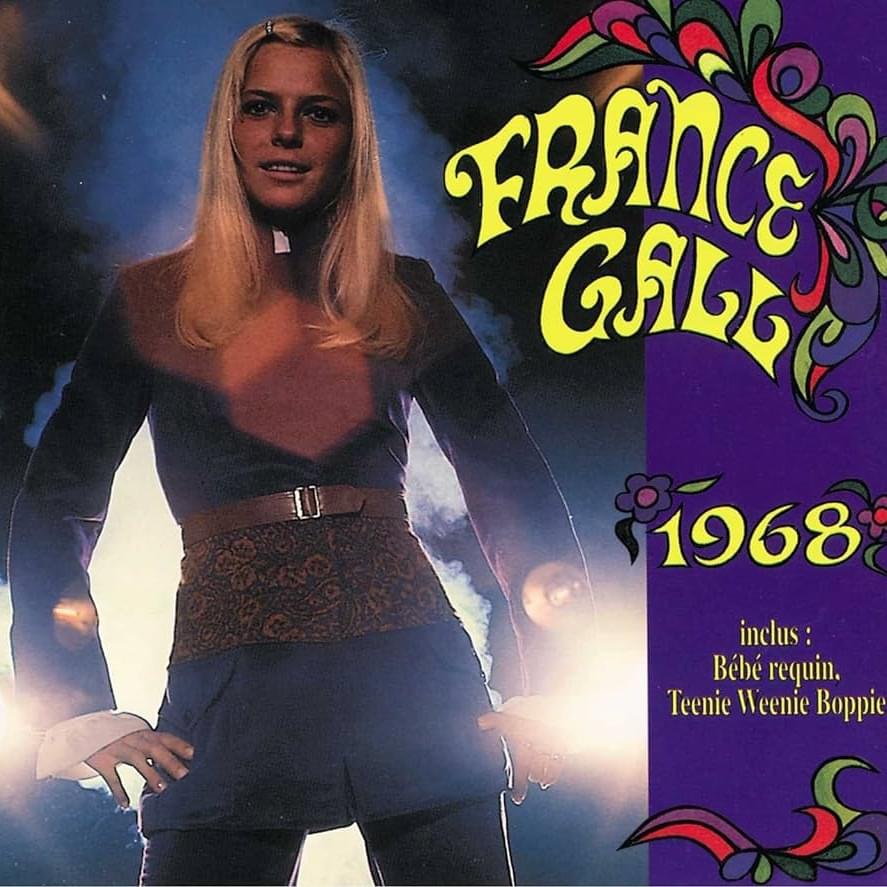
France Gall's "Teenie Weenie Boppie" isn't just a bouncy yé-yé tune; it's a sugar-coated tab of acid laced with existential dread. The song paints a cautionary, almost surreal, picture of a young girl's ill-fated encounter with LSD. The repetitive chorus, “Teenie Weenie Boppie / A pris du LSD / Un sucre et la voici / Au bord de la folie,” acts as both a catchy hook and a grim countdown to disaster. It’s the kind of earworm that burrows into your brain while simultaneously unsettling your stomach. The lighthearted melody, typical of Gall's early work, sharply contrasts with the dark narrative unfolding.
The lyrics, beyond the obvious drug reference, are rich with symbolic imagery. A Rolls Royce, driven by a rock star (perhaps a veiled commentary on fame and excess), brushes past her. A Southern gentleman with gloved hands and an amethyst ring offers assistance, but even this seemingly benevolent gesture leaves a mark. These encounters, seemingly random, contribute to Teenie Weenie Boppie's disorientation and descent. They represent the disorienting and potentially predatory nature of the world she's stumbled into while under the influence.
The final verse takes a particularly macabre turn, with Mike Jagger (note the intentional misspelling) floating dead in the Thames amidst exquisite flowers. This isn't merely a literal depiction of drowning; it's a symbolic representation of the dangers lurking beneath the surface of the glamorous, drug-fueled counterculture. The song's ultimate message, underscored by the blunt final lines, is a stark warning against the seductive allure and devastating consequences of drug use. “Teenie Weenie Boppie / Est morte dans la nuit / De quoi, mais d'avoir pris / Une dose de LSD” – a simple, tragic epitaph for a generation's lost innocence.
 View Artist