Song Meaning
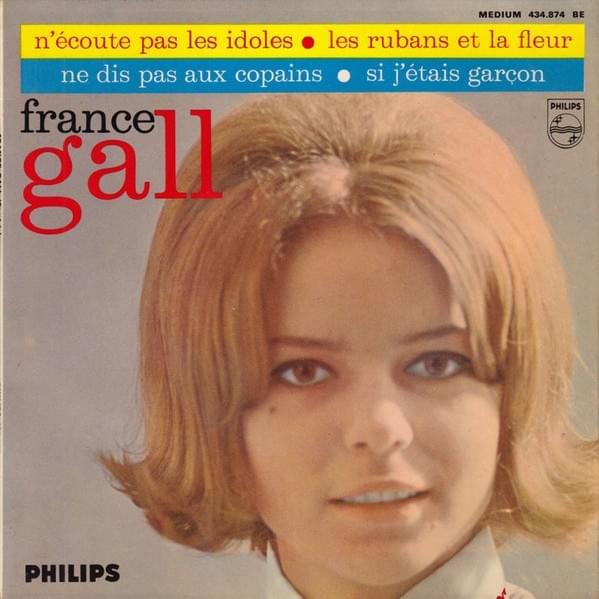
France Gall's "N'écoute pas les idoles" isn't just a plea for attention; it's a sophisticated takedown of pop-cultural influence, masked as lovesick jealousy. The surface narrative is straightforward: a lover implores their partner to ignore the empty promises peddled by popular songs, instead focusing on the 'real' (and allegedly unique) love offered by the speaker. But the subtext bites. Gall's narrator doesn't simply dismiss these 'idoles' as competition; she identifies them as purveyors of damaging romantic myths. They preach fleeting, seasonal love affairs ('se quitter à l'automne'), and paint a picture of relationships that are ultimately hollow. The constant repetition of 'Folle de toi' is both an assertion of madness, and the authenticity of her passion.
The genius of the song lies in its recognition of pop music's power to shape our romantic expectations. The narrator isn't just battling for her lover's affections; she's fighting against the insidious influence of catchy, but ultimately superficial, narratives. The core of 'N'écoute pas les idoles' lyrics analysis reveals a distrust of the very medium France Gall inhabits. She acknowledges the seductive power of song ('Ces chansons que tu fredonnes'), even as she seeks to dismantle its hold on her lover's imagination. The speaker's threat to 'casser tes disques' is a symbolic act of rebellion against the commodification of emotion.
Ultimately, "N'écoute pas les idoles" is a subversive anthem about the struggle to define love on one's own terms, free from the clichés and manufactured desires propagated by the mainstream. It’s a battle between genuine, albeit possessive, emotion and the shallow ideals presented through popular culture. France Gall's performance underscores the tension; the bright, almost saccharine melody contrasts sharply with the underlying message of skepticism and the urgent need for authentic connection. This highlights how easily we can be swayed by the appealing, yet ultimately empty, promises of the 'idoles' we choose to worship.
 View Artist