Song Meaning
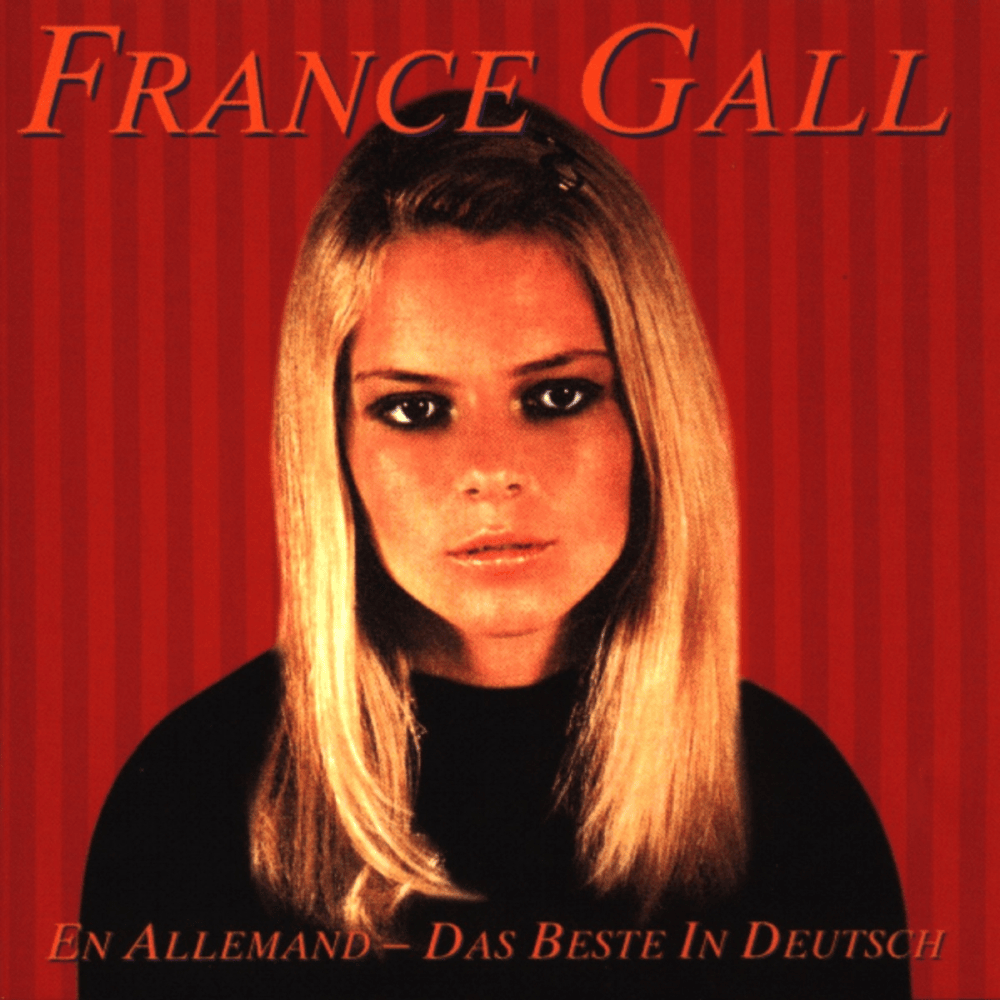
France Gall's "Silk" isn't just a polite dismissal; it's a portrait of desire clashing with societal expectations and the unwavering grip of young love. The song, a recurring expression of gratitude laced with firm rejection, unveils a young woman navigating the unwanted advances of an older, wealthy suitor – the eponymous Marquis. While the Marquis showers her with attention and symbols of status (roses, phone calls, even an invitation to his castle), Gall's protagonist remains steadfastly unimpressed. The repeated refrain, "Merci, Herr Marquis / Ich danke für die Blumen / Doch Liebe wird das nie!" (Thank you, Mr. Marquis / I thank you for the flowers / But love will never be!), acts as both a courteous brush-off and a declaration of her emotional autonomy. The lyrics subtly expose the power dynamics at play. The Marquis, with his "grauen Schläfen" (gray temples) and castle, represents established power and perhaps a certain level of social pressure.
The psychological core of "Silk" lies in the protagonist's unwavering fidelity to her own feelings, specifically her love for Phillip. The line, "Ich lieb' nur dich / Phillip, allein!" (I only love you / Phillip, alone!) is a potent assertion of her agency. She's not swayed by the material allure the Marquis offers; her heart belongs elsewhere. This speaks to a deeper theme of authentic connection versus transactional relationships. The Marquis's advances, while perhaps well-intentioned, are ultimately superficial, based on what he can offer rather than genuine emotional understanding. The constant rejection highlights a generational divide, where traditional courtship rituals and societal expectations of marrying for status are challenged by the protagonist's desire for true love.
Ultimately, "Silk" is a deceptively simple song about a complex emotional negotiation. France Gall captures the delicate balance between politeness and self-preservation, highlighting the importance of staying true to one's own heart, even when faced with the glittering temptations of wealth and social standing. The song's enduring appeal rests on its relatable portrayal of a young woman confidently asserting her right to choose her own path, guided by love rather than societal pressure. It's a reminder that true connection transcends material possessions, and that sometimes, the most powerful answer is a polite, but firm, "Nein!"
 View Artist