Song Meaning
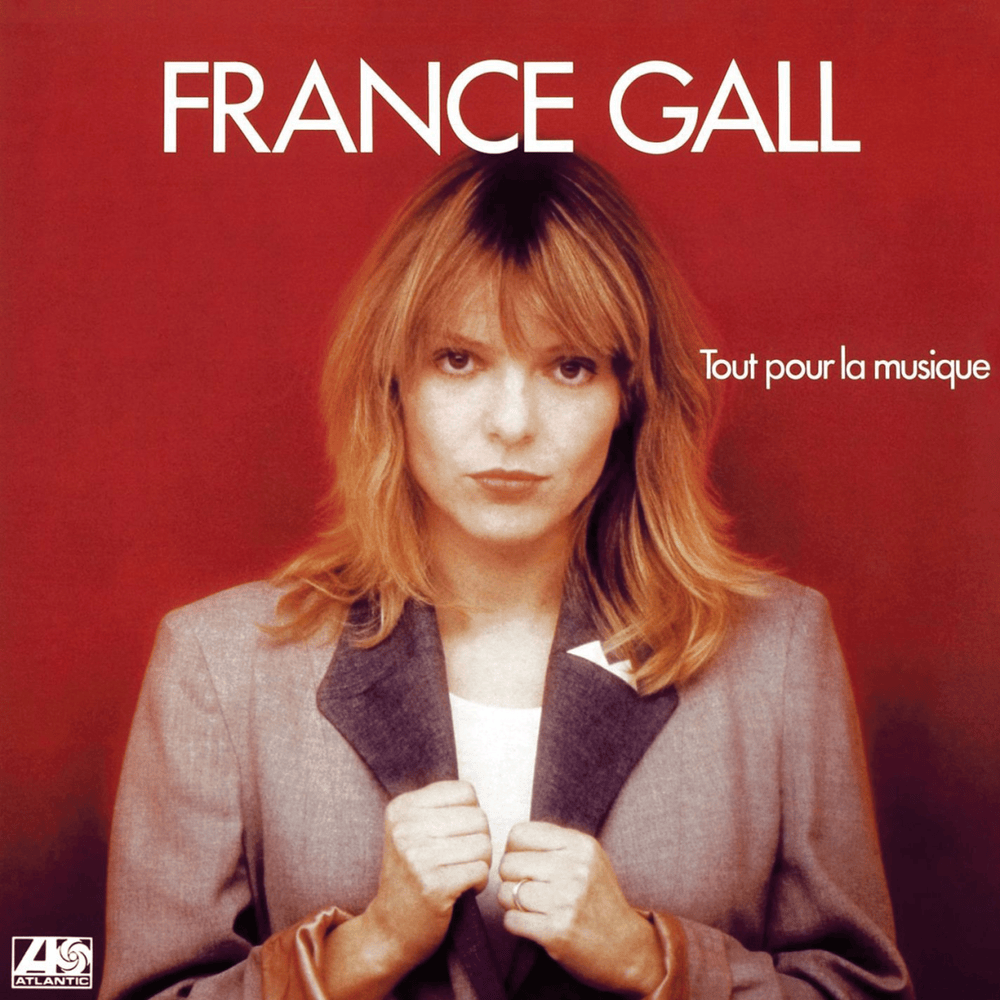
France Gall's "Untitled 5" pulses with a raw, almost desperate hunger. It's a demand, not a request, for immediate gratification, a sentiment perfectly encapsulating the anxieties of fleeting youth. The driving force isn't mere youthful exuberance; it's the gnawing awareness of time's relentless march, the sense that life's vast buffet must be consumed *now*, before the opportunity vanishes. The lyrics paint a picture of someone craving extremes: "la foudre et la neige," "le ciel et l'eau," polar night and green ray – a desire not for balance, but for the full, chaotic spectrum of experience. This isn't just about wanting pleasure; it's about a profound fear of missing out, a terror of leaving potential unrealized. The repetition of "Je veux tout et je le veux maintenant" hammers home this urgency, a primal scream against the perceived limitations of existence.
The recurring lines "De nos jours / Y a des accidents d'amour / De nos jours / Y a des passions qui tournent court" reveal the source of this frenetic desire. The singer sees around her the wreckage of failed relationships, fleeting passions, and unfulfilled promises. Love, in this context, is not a patient, nurturing force but a minefield of potential heartbreak and disappointment. This awareness fuels the need for immediate happiness, a preemptive strike against the inevitable pain of loss. There's a vulnerability woven into the song's aggressive demands; it suggests a fear of emotional investment, a desire to seize happiness before it can be snatched away.
Ultimately, "Untitled 5" is more than just a pop song; it’s a psychological snapshot of a generation grappling with impermanence. France Gall captures the feeling of being caught between the desire for profound connection and the fear of profound disappointment. The song's relentless energy serves as both a shield and a weapon, a way to both embrace life's possibilities and defend against its potential for pain. The repeated insistence on wanting "le bonheur maintenant" (“happiness now”) transforms from a simple desire into a poignant commentary on the human condition, and the inherent tension between longing and limitation.
 View Artist