Song Meaning
France Gall's "La guerre des chansons" isn't a literal war cry, but a wry observation of the burgeoning cultural clashes played out in the pop music landscape. The song's meaning centers on the contrast between the superficial battles dominating the airwaves and the personal, intimate experiences that truly matter. Gall frames this 'war of songs' as a somewhat absurd spectacle, noting how musicians, armed with harmonicas and guitars, devour each other over fleeting trends like long hair and miniskirt hemlines. It's a commentary on the performative outrage and manufactured drama that often eclipses genuine artistic expression. The lyrics point to a generational divide, a struggle for dominance in a rapidly changing cultural environment.
Gall positions herself outside the fray. While the musical 'lions' are battling for relevance, she's more interested in the 'noise of your kisses,' a private world untouched by the clamor of the culture wars. This personal sanctuary becomes a refuge from the superficiality of the public sphere. The mention of 'songs from England, that the Beatles sing by the sea' roots the song in a specific historical moment, referencing the British Invasion and the seismic shift it created in popular music. The Beatles, as cultural innovators, become a symbol of the artistic revolution at the heart of this 'war.'
Ultimately, the song's meaning rests on the hope that this 'war' remains confined to the realm of music. There's a sense of relief, almost a playful dismissal of the seriousness with which these battles are waged. As long as the conflict stays within the songs, Gall suggests, it's a relatively harmless form of cultural evolution. The repetition of 'C'est pas la guerre / La guerre des chansons' underscores this sentiment. It's a reminder that beneath the surface of artistic rivalries and trend-chasing, there's always the possibility of genuine connection and personal experience. The song's true subject is the negotiation between public spectacle and private emotion, and the choice to prioritize the latter.
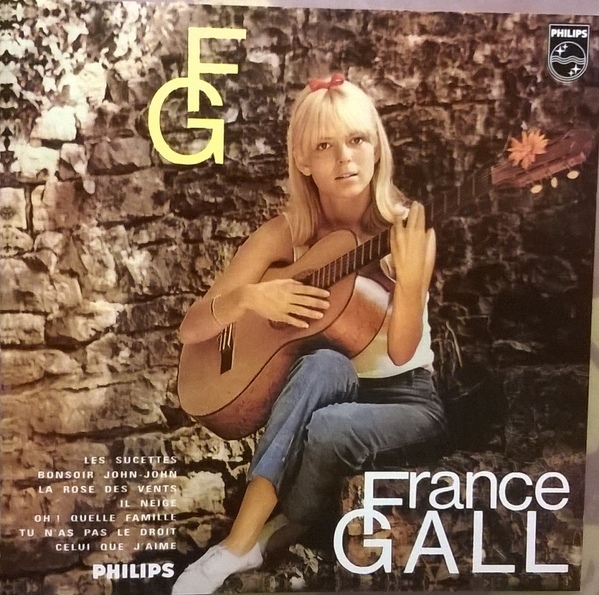
 View Artist