Song Meaning
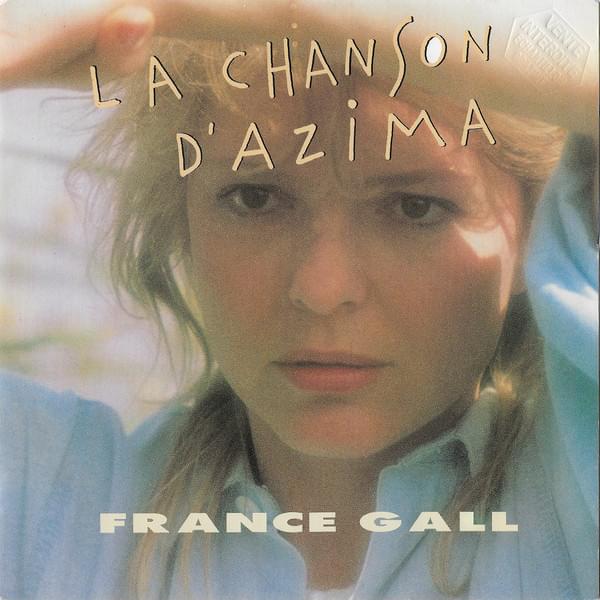
{"song_id": 10809199, "meaning": "France Gall's \"Am Ufer des Flusses, des Manzanares\" isn't just a geographical lament; it’s a stark, unflinching portrait of existential dread disguised as an ecological warning. The 'advancing desert' isn't merely sand swallowing land, but a metaphor for encroaching apathy, societal decay, and the slow death of hope. The lyrics paint a scene of both physical and spiritual drought, where even the dancing Touareg women, symbols of resilience, harbor no true belief in survival. This isn't just about a lack of water; it's about the draining of meaning. The repeated line, 'Quand le désert avance' (When the desert advances), acts as a chilling mantra, underscoring the relentless nature of this decline. It's the psychological equivalent of watching everything you hold dear crumble into dust. The song implicitly asks: what happens when the life force itself begins to ebb away? It also feels like a pointed accusation towards outsiders, specifically 'toi qui vient de France,' those from places of relative comfort and plenty, who are urged to witness and report back on the unfolding crisis.
The song's power lies in its stark contrast between the tangible and the intangible. While the verses describe physical hardship—the lack of water, the encroaching sands—the true horror lies in the loss of faith and the feeling of powerlessness. The plea to 'Dis-leur ce que tu penses, dis-leur ce que tu vois' carries a weight of responsibility, suggesting that witnessing suffering demands action, or at least an acknowledgement of the truth. Even the mention of childhood memories and hunters underscores a painful nostalgia for a time before ecological and spiritual devastation.
Gall's song ultimately becomes a haunting reflection on the human condition when faced with overwhelming odds. The desert is not just an external force but an internal one, eroding the spirit and leaving behind only the hollow echo of what once was. The final verses, with their imagery of night falling and the desert advancing over tombs, deliver a crushing blow – a vision of total obliteration. The song is a stark reminder that even in the face of seemingly insurmountable challenges, maintaining 'la foi' (faith) is a crucial act of resistance, a desperate attempt to hold onto humanity amidst the encroaching sands of despair."}
 View Artist