Song Meaning
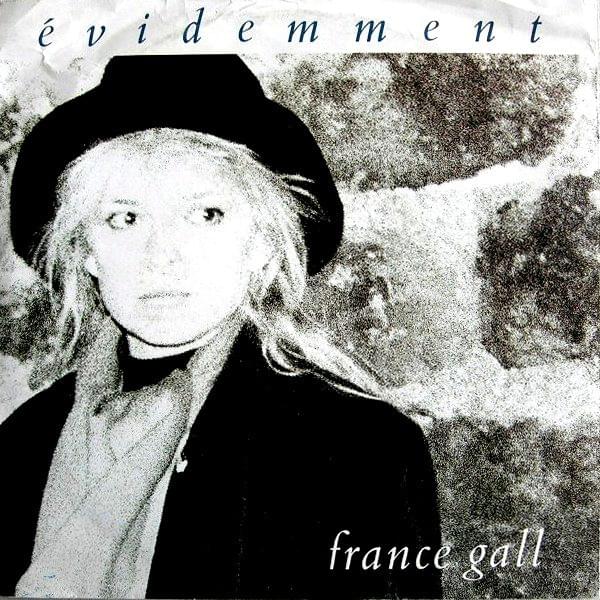
France Gall's "Évidemment" isn't a simple love song; it's a bittersweet waltz through the ruins of a relationship, coated in the dust of disillusionment. The opening lines establish this immediately: a lingering bitter taste, a pervasive sense of dust, and anger as a constant companion. These are not the hallmarks of a thriving connection. The power of unspoken words hangs heavy, suggesting a chasm of unresolved issues that speech can no longer bridge. The pointed "questions qui ne tiennent pas debout" hint at fundamental incompatibilities, perhaps even betrayals of trust, that undermine the relationship's foundation. It's in this context that the refrain, anchored by the repeated "Évidemment," gains its profound irony. They still dance to the old tunes, clinging to familiar comforts, and laugh at silly things, regressing to childlike innocence. But the haunting caveat, "Mais pas comme avant," exposes the hollowness of these gestures.
The second verse deepens the sense of weary resignation. The couple's battles are now met with apathy, a shared fatigue and disgust. The rhetorical question, "À quoi ça sert de courir partout?" speaks to a broader existential exhaustion within the relationship. The lingering wound, described as a splash of mud, is particularly potent. It signifies a stain that alters everything, a permanent mark left by past transgressions. This image perfectly encapsulates the song's core theme: the insidious way seemingly small events can irrevocably taint a bond.
Ultimately, "Évidemment" by France Gall explores the complex emotional landscape of a relationship in decline. The "song meaning" resides not in a dramatic breakup, but in the quiet acknowledgment of its inevitable decay. The lyrics analysis reveals a portrait of two people desperately trying to recapture the past, even as they are haunted by the unshakeable knowledge that the magic is gone. The repetition of the refrain, with its poignant finality, underscores the enduring ache of something beautiful lost, and the hollow echo of "pas comme avant" reverberates long after the music fades.
 View Artist