Song Meaning
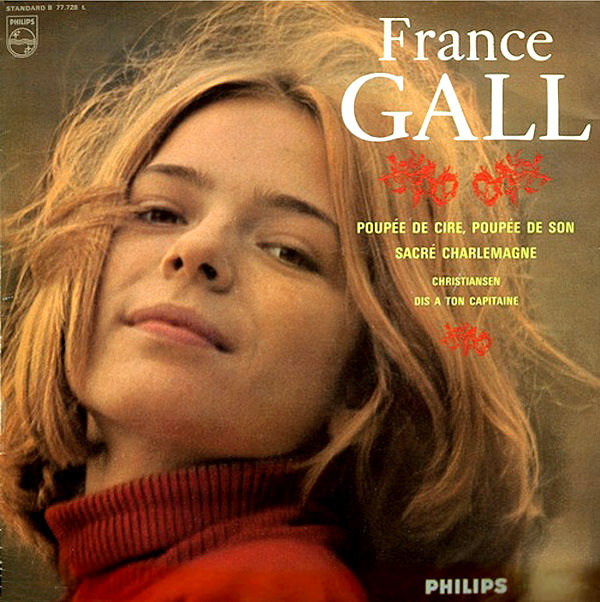
France Gall's "Dis à ton capitaine" shimmers with a youthful, almost naive longing, but beneath its bright pop surface lies a complex negotiation of desire and societal expectations. The core plea – "Tell your captain that I love you" – initially positions the object of her affection as someone bound by duty, a sailor perhaps, or a soldier. Yet, this separation isn't presented as tragic. Instead, it becomes a space for playful manipulation, a chance to exert indirect influence. The song meaning hinges on this indirectness; she doesn't directly address her lover's superior, but rather uses her lover as an intermediary. This creates a fascinating dynamic of power. She understands the structures that govern his life and attempts to subvert them through charm. The lyrics suggest a relationship defined by distance, both physical and perhaps social. The mention of a summer vacation from "July 10th to the end of August" with "Aunt Hortense" paints a picture of bourgeois normalcy that contrasts with the implied adventurous life of the "capitaine."
However, the song's brilliance lies in its unexpected shift. Intertwined with declarations of love and pining are blunt critiques of her lover's appearance: "Your jacket is awful, your pants are badly cut, and your shoes are dreadful." This jarring honesty reveals a more demanding side to the singer. It is not unconditional adoration; she has standards, aesthetic preferences that must be met. This adds a layer of psychological realism. It's not enough for him to simply return; he must also conform to her vision of an ideal partner. This push-and-pull dynamic, the simultaneous expressions of love and dissatisfaction, creates a nuanced portrayal of young love, one where genuine affection is entangled with the anxieties and expectations of youth.
Ultimately, "Dis à ton capitaine" transcends a simple love song. It's a snapshot of a young woman navigating the complexities of romance within a specific social context. The captain becomes a symbol of authority, duty, and the obstacles that stand in the way of personal happiness. Yet, instead of confronting these obstacles directly, she uses her charm, wit, and even her demands to try and bend them to her will. The final verses, suggesting a kiss for the captain if he grants her wish, underscore the playful, manipulative nature of her affection. It's a song about love, yes, but also about power, control, and the art of getting what you want with a smile.
 View Artist