Song Meaning
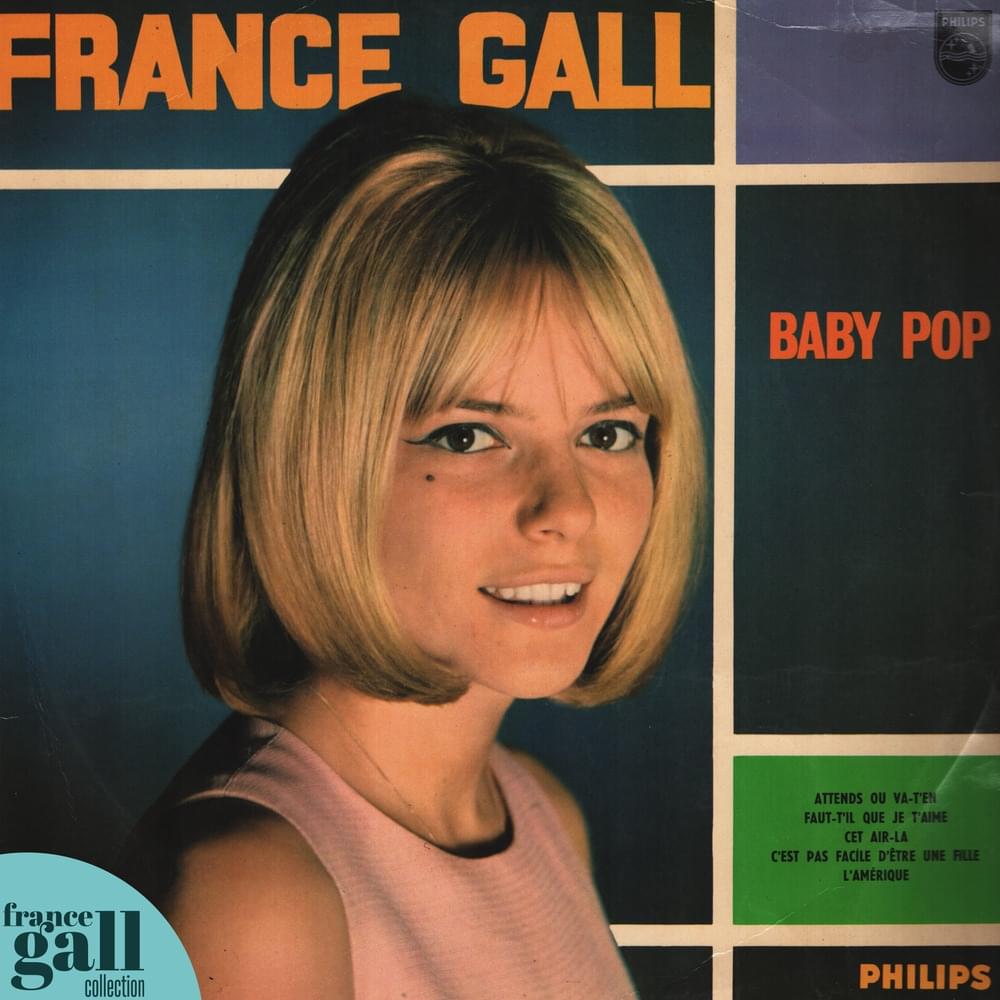
France Gall's "C'est pas facile d'être une fille" isn't just a bubblegum pop tune; it's a deceptively simple anthem of nascent female self-awareness. The song's meaning, at its core, revolves around the inherent contradictions and societal pressures placed upon young women. Gall, with her signature youthful delivery, lays bare the challenges of navigating adolescence, where expectations of beauty and kindness collide with the need for resilience and independence. It’s a tightrope walk, further complicated by the omnipresent gaze and expectations of young men – "Parmi tous ces garçons / Qui chantent leur chanson / Où est le vrai le bon ?" The lyrics capture the uncertainty of discerning genuine connection from performative courtship.
The struggle for autonomy is another key element in this song analysis. Gall articulates the yearning to break free from familial constraints, a universal desire amplified by the specific challenges faced by young women seeking to define their own identities. "De dire à ses parents / Ouvrez-moi maintenant / Les portes à deux battants" isn't merely about extending curfew; it’s a demand for agency, a plea for trust in the face of societal anxieties about female independence. The desire to "s'amuser / De rire et de danser" is juxtaposed with the constraints of societal expectations, highlighting the frustration of limited freedom.
Ultimately, "C'est pas facile d'être une fille" resonates because it acknowledges the multifaceted nature of female adolescence. It's not just about the surface-level struggles of appearance or social acceptance, but also the deeper quest for self-discovery and the right to navigate the world on one's own terms. The song's enduring appeal lies in its honest portrayal of these complexities, capturing the universal feeling that being a girl, with all its joys and challenges, is anything but easy. The concluding lines, admitting the difficulty of knowing "où se trouve l'amour," encapsulate the vulnerability and uncertainty inherent in this journey.
 View Artist