Song Meaning
The lyrics paint a stark picture of a world in disarray. From cosmic disruption to societal pressures, the speaker faces overwhelming challenges. Their immediate response is a retreat to a singular, comforting act. This is a narrative of finding solace amidst chaos.
A profound tension drives these verses: the relentless onslaught of external turmoil versus the speaker's internal quest for peace and expression. Images like "étoiles tombées dans l'eau" and "cravates nous font la peau" depict a world literally tearing itself apart, threatening personal integrity and voice. The repeated "Quand les..." clauses build a sense of inescapable dread, highlighting the sheer scale of the forces at play.
The most compelling craft element lies in the evolving purpose of the guitar. Initially, it's a tool "pour me calmer," a simple balm for an overwhelmed heart. But as the crises deepen – from environmental decay to war and collective despair – the guitar's role transforms. It becomes a conduit "pour mieux pleurer," allowing for a deeper, more authentic emotional release, and finally, "pour te parler," suggesting a move from internal processing to a desire for connection and communication. The final choice to "joue du reggae" isn't just a musical note; it imbues the act with a spirit of resilience and communal voice.
These lyrics resonate because they articulate a universal coping mechanism in the face of overwhelming odds. By grounding abstract fears in vivid, almost apocalyptic imagery, the song makes the speaker's retreat to music feel not like an escape, but a vital act of self-preservation and meaningful engagement. The progression from personal calm to collective communication through the guitar makes the act of creation a powerful stand against despair, asserting that even when words are stolen or reason is lost, art remains a potent form of truth and connection.
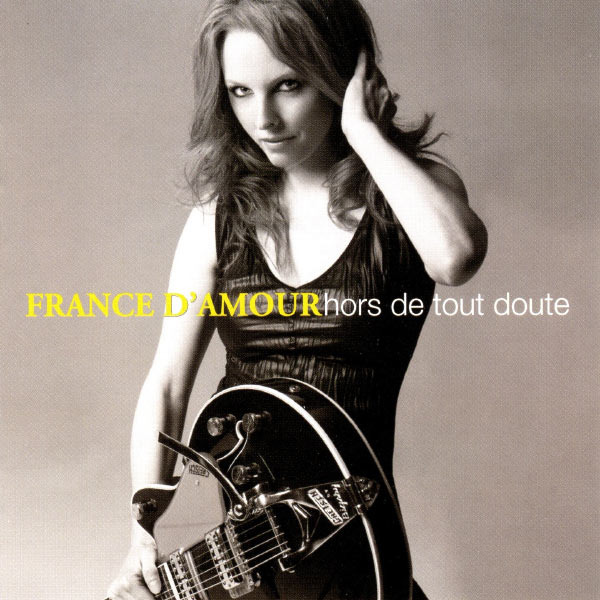
 View Artist