Song Meaning
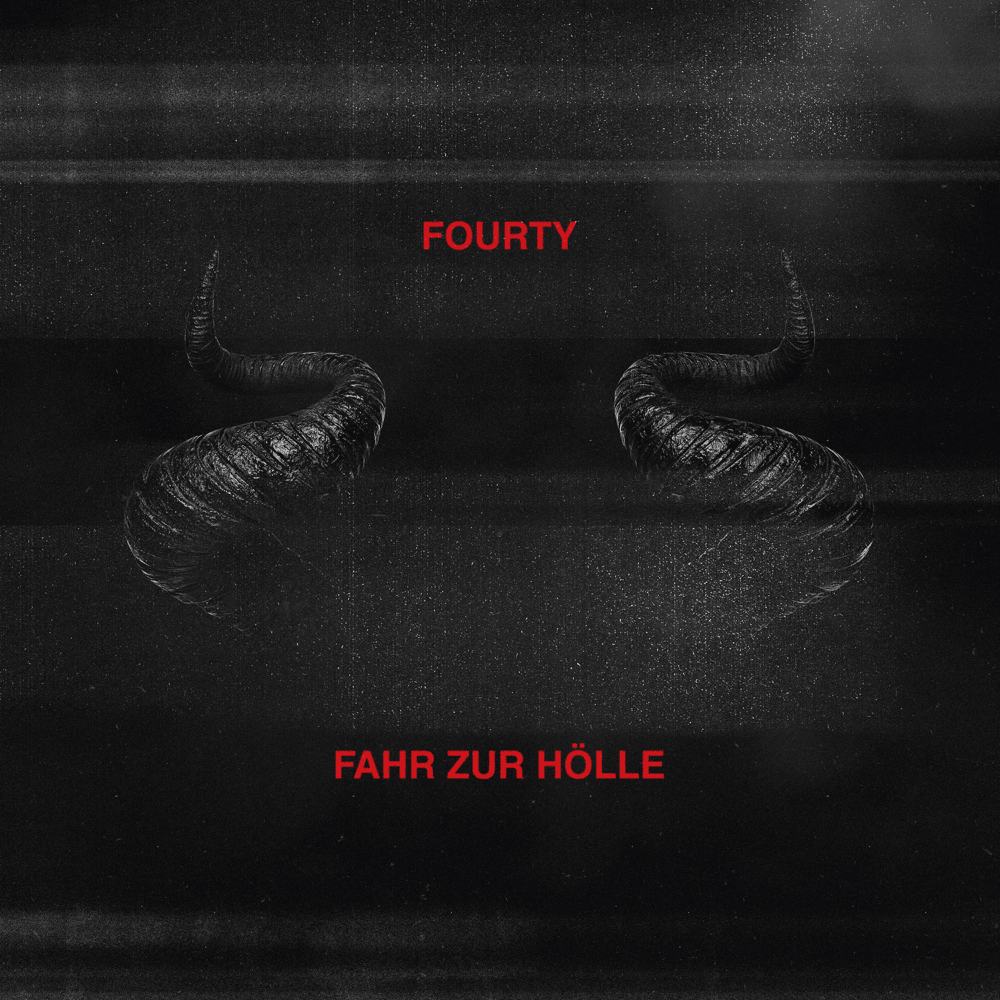
The lyrics paint a picture of a chaotic, destructive relationship fueled by a potent mix of luxury and danger. The opening hook immediately sets a scene of dazzling but perilous urban nights, where "neon signs" reflect in someone's eyes, juxtaposed with the volatile image of "nitroglycerin on German streets." This isn't a gentle romance; it's a high-octane, potentially explosive connection, driven by a "false love in an expensive car" that the narrator wants to "smash to pieces." The repeated desire to "drive it to destruction" underscores a deep-seated urge to obliterate this toxic dynamic.
The core tension lies in the narrator's simultaneous attraction to and repulsion from this destructive force. They acknowledge the partner's "head is broken" and describe a relationship that feels like a "vodka shot" and "love and collarbone fracture," laced with the "smell of Moscow" from their lips. This suggests a relationship that is both intoxicating and physically damaging. The narrator seems aware of the danger, asking for divine protection and preferring their love to be "cold in a thirty-five percent pool" rather than consumed by the destructive passion.
The writing masterfully uses jarring imagery to convey this volatile state. The contrast between the superficial allure of "expensive cars" and "neon signs" and the visceral, dangerous elements like "nitroglycerin" and "flesh wounds" creates a palpable sense of unease. The line about "French nails" leaving a forensic trace in the narrator's back is particularly striking, highlighting how even intimate moments leave lasting, almost criminal evidence of the damage inflicted. It suggests a relationship where pleasure and pain are inextricably intertwined, leaving scars that are impossible to hide.
Ultimately, the effectiveness of these lyrics stems from their unflinching portrayal of a relationship teetering on the brink. The narrator's plea to "drive it to destruction" isn't just about ending the relationship; it's a desperate attempt to escape the self-destructive cycle they're caught in. The raw, almost violent language and the stark contrasts between luxury and ruin create a powerful, unsettling portrait of love gone terribly wrong, where the only perceived escape is through annihilation.
 View Artist