Song Meaning
The lyrics paint a picture of Annie, a free spirit who thrives on new experiences and human connection, contrasting sharply with the narrator's confined existence. Annie's wanderlust is presented as an almost effortless ability to find belonging wherever she goes, embodying a life lived fully in the present and in motion. The narrator, however, expresses a deep longing to be part of Annie's world, stating, "I wish that I was there," highlighting a fundamental difference in their lived realities.
Annie invites the narrator to join her on her next adventure, suggesting a shared desire for change and exploration. Yet, the narrator's response reveals a profound disconnect: "But I live in the city." This urban setting is not just a physical location but a state of being, characterized by isolation and a lack of genuine connection, described as being "within four walls and out of reach" and living "behind the screen."
The lyrics subtly question Annie's outward freedom by posing a rhetorical question about her potential return: "But is she thinking now it's time / To wander back again / To see her friends and me?" This introduces a layer of ambiguity, suggesting that even Annie might harbor a desire for familiar anchors, mirroring the narrator's own yearning for connection, albeit from a vastly different context. The repetition of the refrain, "We all live in the city / And imagine country scenes," reinforces the narrator's sense of collective entrapment and the escapist fantasies that arise from it.
Ultimately, the song's power lies in this stark juxtaposition of freedom and confinement, movement and stasis. The narrator's detailed description of their own limited world – "four walls and out of reach" – makes their imagined country scenes and their admiration for Annie's life feel particularly poignant. It's the craft of contrasting Annie's perceived ease with the narrator's palpable longing that makes the emotional weight of this urban isolation resonate so deeply.
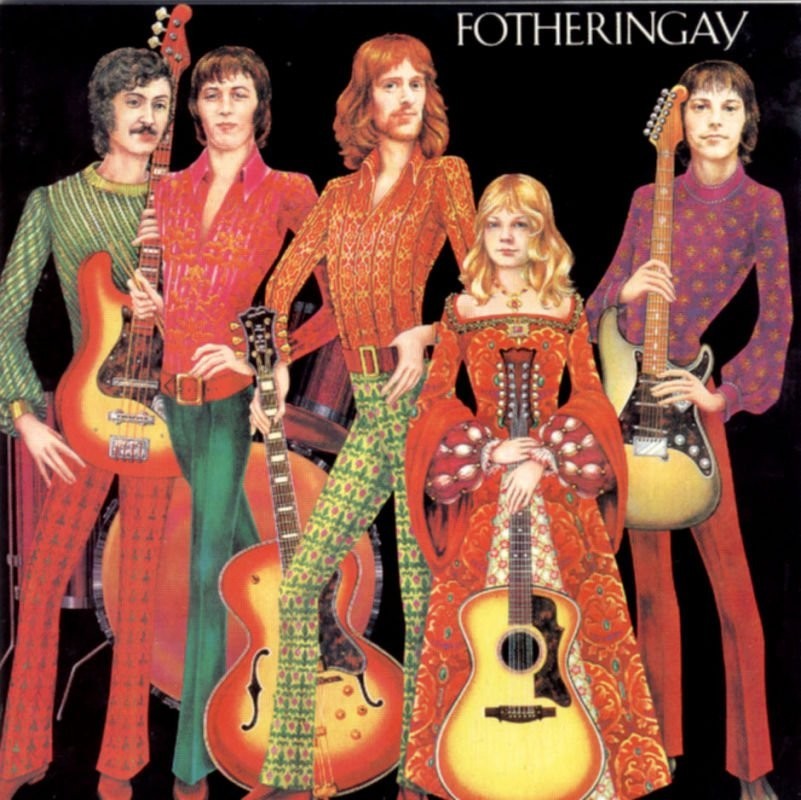
 View Artist