Song Meaning
These lyrics open with a simple, tender scene: a daughter holds a "matika de ruda una matika de flor," a small plant of rue and a flower. Her mother, with a direct, loving query, asks who gave her such a gift. The daughter's response is immediate and clear: a young man who fell in love with her.
The core tension quickly emerges as the mother issues a stark warning, advising her daughter not to fall into "perdicion." Her counsel is strikingly pragmatic, suggesting that "a bad husband is better than a new love." This isn't just caution; it's a deeply cynical view of marriage and romance, prioritizing stability, however flawed, over the uncertainty of fresh passion.
But the daughter isn't swayed. She vehemently rejects her mother's wisdom, declaring that "a bad husband, my mother, there is no greater curse." Her counter-argument is a burst of vibrant, natural imagery, comparing the "manceviko de amor" to "the apple and the good lemon." This isn't just a preference; it's a passionate assertion of her own desires, equating new love with simple, wholesome delights.
The lyrics conclude by circling back to the beginning, repeating the lines about the rue and flower plants and the young man's gift. This structural choice isn't just a refrain; it powerfully reinforces the daughter's initial joy and her unwavering commitment to the young man. Despite her mother's warnings, the source of her happiness remains central, suggesting her choice is firm.
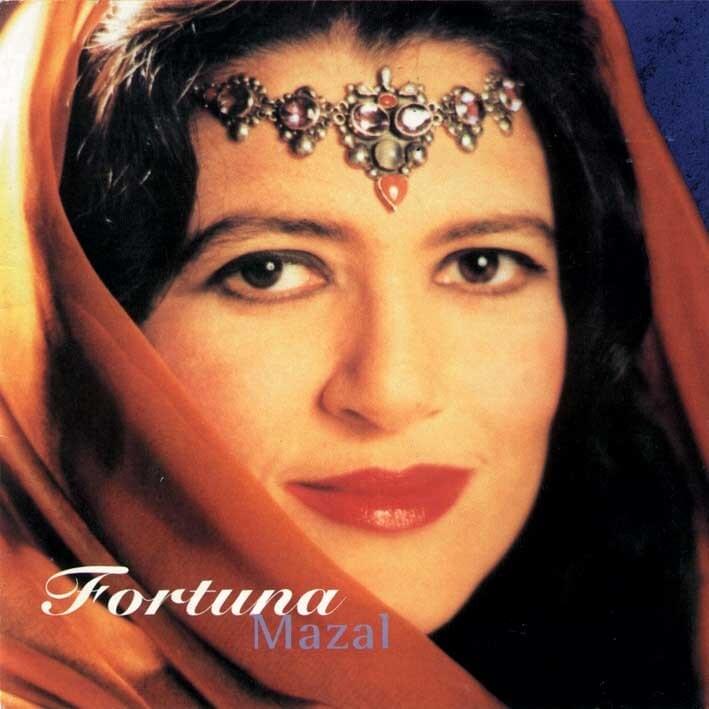
 View Artist