Song Meaning
The lyrics paint a picture of a celebratory gathering, likely a wedding, centered around a "golden staircase" made of "gold and ivory." This opulent structure is specifically for the bride to ascend and perform "kidushim," a Hebrew term often associated with blessings or sanctification, suggesting a formal, perhaps religious, aspect to the ceremony. The dominant tone is one of hopeful observation and well-wishing from those present.
The core sentiment revolves around the collective desire for the couple's success and happiness. The repeated phrase "Vinimos a ver" (We came to see) emphasizes the role of the onlookers as witnesses to this significant life event. Their purpose is to observe the couple "achieve and enjoy" and "have much good," highlighting a communal investment in the union's prosperity and well-being.
A striking contrast emerges in the verse concerning the bride's dowry. The lyrics state, "La novia no tiene ducados" (The bride has no ducats/coins), directly followed by a plea for "mazal alto" (high luck/fortune). This juxtaposition suggests that material wealth is secondary to, or perhaps even insufficient without, good fortune. The emphasis shifts from tangible assets to the hope for divine favor and a blessed future, a poignant detail in the context of a wedding.
This focus on luck and blessing over material possessions is what gives the lyrics their emotional resonance. The simple, repetitive structure reinforces the communal chanting and the enduring nature of these wishes. The "scalerica de oro" becomes more than just a staircase; it's a pathway to a blessed future, observed by a community hoping for the best for the newlyweds.
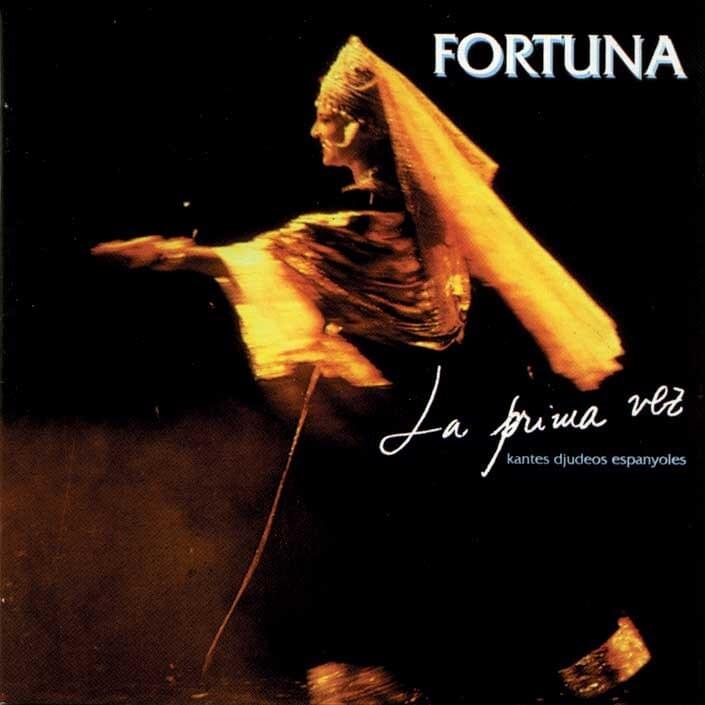
 View Artist