Song Meaning
This is a simple, almost nursery-rhyme-like narrative about Yacob selling fried fish and hot bread, both prepared by Mazaltó. The repetitive structure and direct questions create a playful, almost call-and-response feel, as if a group is recounting a simple, everyday event. The dominant tone is one of lighthearted, communal storytelling.
The core of the lyrics lies in the exchange and consumption of goods. Yacob is the vendor, while Mazaltó is the provider of the cooking tools – the pan and the oven. The repeated question, "Quién se lo jameó?" (Who ate it?), always answered by "El señor Yacob," suggests a humorous twist: the seller is also the primary consumer, or perhaps the one responsible for its disappearance, adding a layer of playful deception or simple satisfaction.
The craft here is in its extreme simplicity and repetition. The formula "Vende Yacob / Ande lo cozió? / En la sartén de Mazaltó / Ahay que sartén que tiene Mazaltó / Quién se lo jameó? / El señor Yacob" is applied to both the fish and the bread, with only the cooking method and item changing. The inclusion of "Pereshil y culantro" (parsley and cilantro) at the end, also sold by Yacob and presumably eaten by him, reinforces the pattern and the focus on simple, fresh ingredients.
What makes these lyrics engaging is their directness and the implied community interaction. It feels like a shared, familiar story being told, with the audience invited to anticipate the next line and the familiar answer. The humor, subtle as it is, comes from the circularity of Yacob selling what he himself seems to enjoy or be responsible for.
The lyrics suggest a communal, perhaps market-day scene where transactions and immediate enjoyment are central. The focus is on tangible goods – fish, bread, herbs – and the simple pleasure derived from them, all framed within a playful, repetitive narrative structure that feels both ancient and immediate.
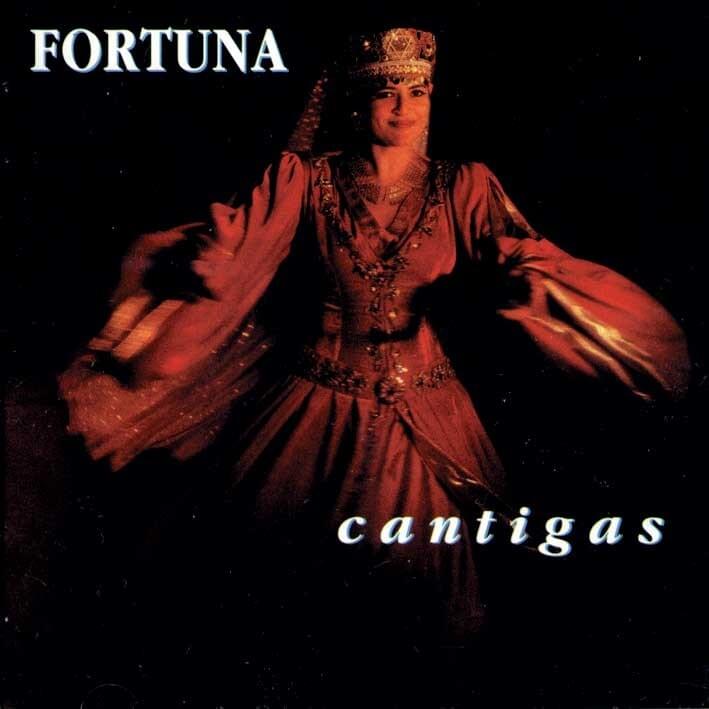
 View Artist