Song Meaning
This lullaby immediately wraps the listener in a tender embrace. A voice gently urges a "chikitika," or little one, to "Durme, durme" – sleep, sleep. The goal is not just rest, but peace "sin ansia y dolor," free from worry and pain. It's a pure moment of comfort.
While the immediate scene is one of profound calm, the phrase "sin ansia y dolor" subtly hints at a world where such anxieties exist. The singer actively wishes for the child to be shielded from this, suggesting a protective instinct at play. This isn't merely a command to sleep; it's a heartfelt plea for a serene escape, underscoring the preciousness of this peaceful moment. The unusual "Durme, durme con sabor" further elevates sleep from a necessity to a delightful experience.
The lyrics masterfully shift focus from the present moment of sleep to a hopeful future. The second stanza paints a vivid picture of growth: the child will emerge from swaddling clothes. This progression continues with the promise of education, culminating in the specific detail, "Alef beit ambezarás." This reference to learning the Hebrew alphabet grounds the lullaby in a particular cultural heritage, making the future vision deeply personal and rooted.
What makes these lyrics resonate is their ability to weave immediate, gentle comfort with a powerful vision of the future. The singer isn't just soothing a child; they're articulating hopes for development, learning, and a life beyond the cradle. This blend of present tenderness and future aspiration, anchored by specific, affectionate language and a subtle cultural marker, creates a deeply moving and effective piece. It's a quiet promise whispered into the night.
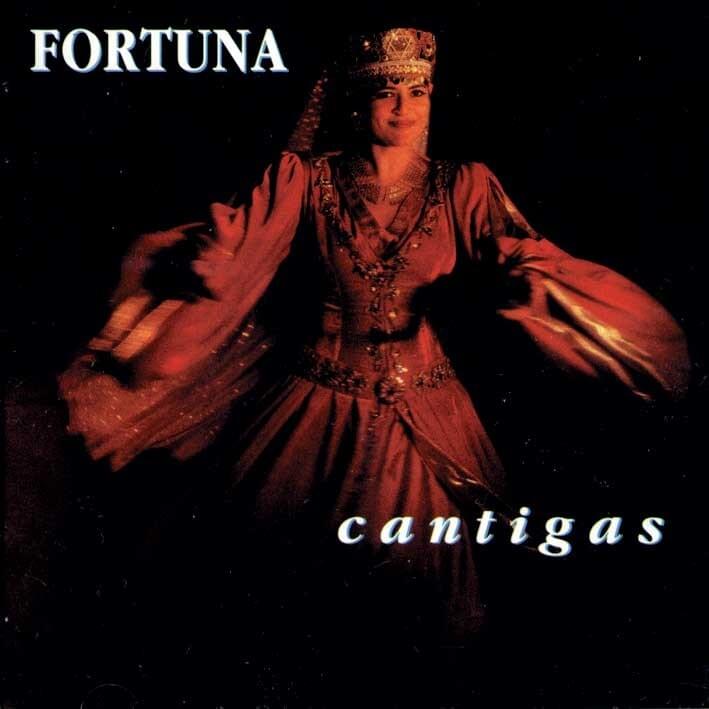
 View Artist