Song Meaning
The lyrics paint a vivid picture of young women, referred to as 'al'azbas,' strolling through boulevards between seven and eight, seemingly in search of partners. The repeated refrain, 'Me vaya kappará, me vaya halala,' acts as a grounding, almost chant-like element, underscoring the cyclical nature of their activities and desires. The scene is set with a sense of routine and perhaps a touch of hopeful anticipation.
The central tension appears to arise from the narrator's observations of these women and their changing fashions. The lyrics question the origins of these trends, from 'corceles' (horses, possibly referring to stylish attire or modes of transport) to 'refajos' (skirts), 'boinas' (berets), and 'gabardina' (trench coats). This focus on external appearances and the adoption of new styles suggests a commentary on societal pressures or the fleeting nature of trends.
The most striking craft element is the recurring comparison of the 'al'azbas' to various objects and creatures as their fashion shifts. They are likened to 'tubos quinqueles' (possibly referring to glowing tubes or lamps), then 'escarabajos' (beetles), and finally 'golondrinas' (swallows). This evolving imagery, particularly the shift from inanimate objects to insects and then birds, creates a dynamic and somewhat unsettling portrayal, hinting at a loss of individuality or a transformation driven by fashion.
What makes these lyrics resonate is the juxtaposition of the seemingly carefree pursuit of romance and style with the narrator's slightly detached, almost critical, observation. The repeated questioning of fashion trends, coupled with the specific, sometimes unflattering, comparisons, leaves the listener pondering the underlying motivations and the superficiality that might be at play in this social scene.
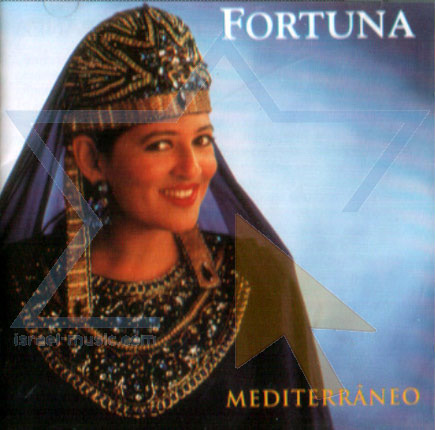
 View Artist