Song Meaning
This Spanish folk lyric paints a stark, almost mythical scene. It begins with a tower by the sea, a window, and a maiden within who calls to sailors. This establishes a sense of isolation and a mysterious allure, setting a tone that feels both ancient and deeply melancholic. The repetition of the maiden calling to sailors emphasizes her persistent, perhaps lonely, existence and the magnetic pull she exerts.
The core tension arises from a plea for connection, a desire to escape solitude. The narrator directly addresses a "paloma" (dove), asking for a hand to ascend to its nest, and curses the state of sleeping alone. This imagery shifts from the distant, almost supernatural maiden to a more intimate, personal yearning for companionship. The desire to join the dove in its nest suggests a longing for peace, safety, and shared intimacy, a stark contrast to the potential danger or loneliness implied by the sea and the tower.
The most striking craft element is the hypothetical scenario presented in the final stanza. The narrator imagines a sea made of milk, where they would become a fisherman. Instead of catching fish, they would cast their sorrows with "little words of love." This is a powerful, almost childlike metaphor for emotional healing. The "little words of love" become the tools to reel in and capture the narrator's pain, suggesting that affection and gentle communication are the only remedies powerful enough to alleviate deep-seated suffering.
Ultimately, these lyrics resonate because they tap into a primal human need for connection and solace. The journey from the isolated tower maiden to the personal plea for a shared nest, culminating in the wish to fish away sorrows with love, creates a narrative arc of longing and a hopeful, albeit fantastical, vision of emotional relief. The simple, direct language and evocative imagery make the desire for comfort and the belief in the power of love feel profoundly real.
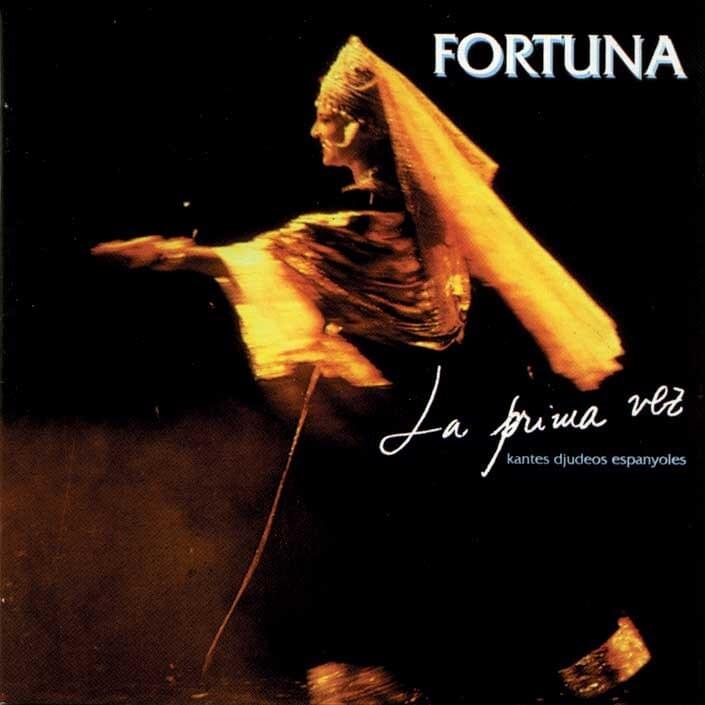
 View Artist