Song Meaning
The lyrics paint a vivid, almost cinematic scene of a dramatic event unfolding, centered around a character named Jolita and a figure referred to as Nissim. The opening lines immediately establish a sense of urgency and perhaps danger, with a "jial" (likely a type of vehicle or carriage) starting up and an "ochaba" (possibly a time or place) beginning. The narrator expresses a strong desire to protect Jolita, even offering to "kappará" (a sacrifice or atonement) for her, highlighting a deep emotional investment.
The central tension seems to revolve around a forceful act, possibly an abduction or a desperate escape, initiated by Nissim. The phrase "com fuerza empresó a matesharia" suggests a forceful action, and Jolita's "gritos" (screams) are heard even within the "tefilá" (synagogue or place of prayer), indicating the severity and public nature of the distress. The repetition of "Nissim nissim" and the plea "Ven mos matesharemos" (Come, let's do this/mate) imply a shared, perhaps dangerous, undertaking or a plea for Nissim to act.
The imagery of Jolita being led "de una mano" by Nissim and the narrator's subsequent offer to take her "cantando piyutim" (singing religious poems) creates a striking contrast. It juxtaposes a moment of intense struggle and fear with a promise of spiritual comfort and guidance. The plea for Jolita to "cogete de la soga" (grab the rope) further emphasizes a perilous situation, yet the narrator frames it within a context of singing and shared devotion, suggesting a complex blend of danger and faith.
This lyrical construction is effective because it grounds intense emotion in specific, evocative actions and images. The contrast between the forceful "matesharia" and the singing of "piyutim," along with the overheard "gritos" in the "tefilá," creates a powerful emotional resonance. The narrator's urgent, protective stance, even in the face of potential danger, makes the plea for Jolita to hold on and the promise of shared song deeply affecting, if ambiguously, affecting.
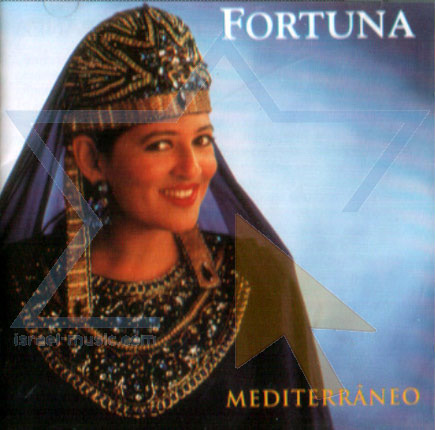
 View Artist