Song Meaning
This song paints a picture of pure, unadulterated harmony. The repeated phrase "Hinei ma tov umanaim" translates to "Behold how good and pleasant it is," immediately setting a tone of appreciative observation. It’s a simple, direct statement that feels like a warm sigh of contentment. The core idea is captured in "Shevet achim gam yachad," meaning "brothers dwelling together," which anchors the pleasantness in the specific context of unity and shared existence.
The dominant emotional texture is one of deep satisfaction and peacefulness. There’s no conflict or struggle here; the lyrics are a celebration of a state of being. The repetition of "Hinei ma tov" reinforces this feeling, like a gentle, insistent reminder of the beauty found in togetherness. The "Lai lai lai" sections act as a wordless affirmation, a melodic hum that underscores the simple joy being expressed.
The most striking aspect of the craft is the sheer power of repetition. The core message is hammered home through constant reiteration, creating an almost meditative effect. This isn't just about saying something nice; it's about immersing the listener in the feeling of goodness and pleasantness. The structure, with its back-and-forth between the lyrical statement and the vocalizations, builds a sense of communal singing, as if everyone present is joining in the affirmation.
What makes these lyrics so effective is their directness and the way the repetition bypasses complex analysis to hit an emotional core. It’s a pure expression of a positive state, leaving little room for ambiguity. The song doesn't try to explain why dwelling together is good; it simply states it as a fundamental truth, amplified by the musicality of the refrain and the wordless chorus, making the feeling of unity palpable.
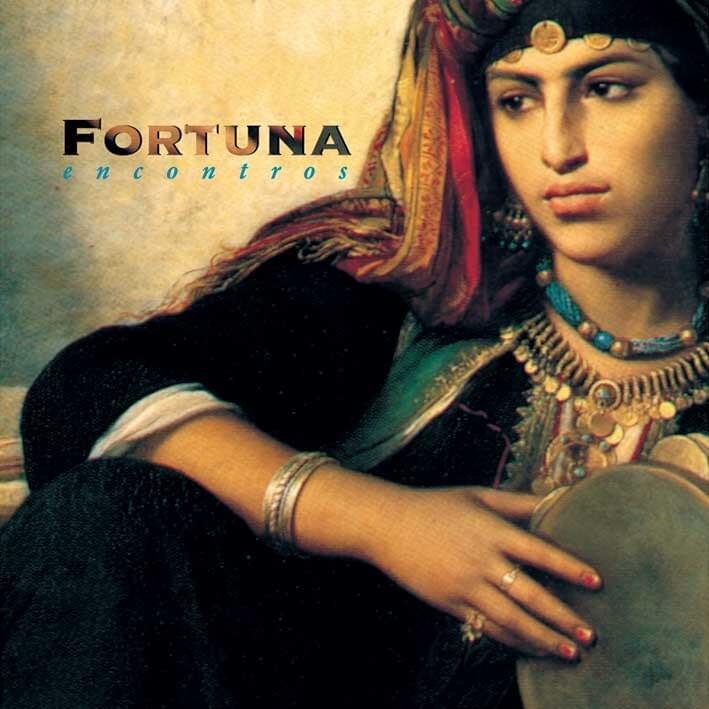
 View Artist