Song Meaning
The lyrics paint a picture of a fated encounter, where destiny itself seems to have orchestrated a moment of shared joy and song. The phrase "foi, foi, foi o destino" immediately establishes a sense of inevitability, suggesting that the meeting with "a colombina" was meant to be, specifically for the purpose of singing together. This sets a tone of cheerful surrender to fate, embracing the present moment.
The core of the song revolves around the infectious spirit of "Burucuntum," a word that seems to embody unrestrained revelry and a carefree attitude. The lines "Isto dê no que der / Gozar a folia não é pra qualquer" highlight that true enjoyment of this festive spirit is a rare gift, not easily attained. It suggests a deliberate choice to embrace pleasure, regardless of future consequences, and a communal effort to dissolve any differences, as indicated by "Se há diferença desmancha-se já."
The craft here is in the repetition of "Burucuntum" and the vivid, almost incantatory rhythm that pulls the listener into the scene. The imagery of "Venta lá, venta cá" evokes a sense of wind blowing, perhaps carrying the music and laughter, or suggesting the free-flowing nature of the celebration. The "chula de amor" is described as universally seductive, culminating in the "riso ideal da mulher," a powerful image of feminine delight that seems to be the ultimate reward or expression of this shared festivity.
What makes these lyrics resonate is their direct invitation to abandon inhibitions and embrace communal joy. The emphasis on destiny and the ease with which differences are dismissed create an atmosphere of pure, unadulterated celebration. It’s a call to live in the moment, finding pleasure and connection in shared revelry, underscored by a rhythm that feels inherently celebratory and infectious.
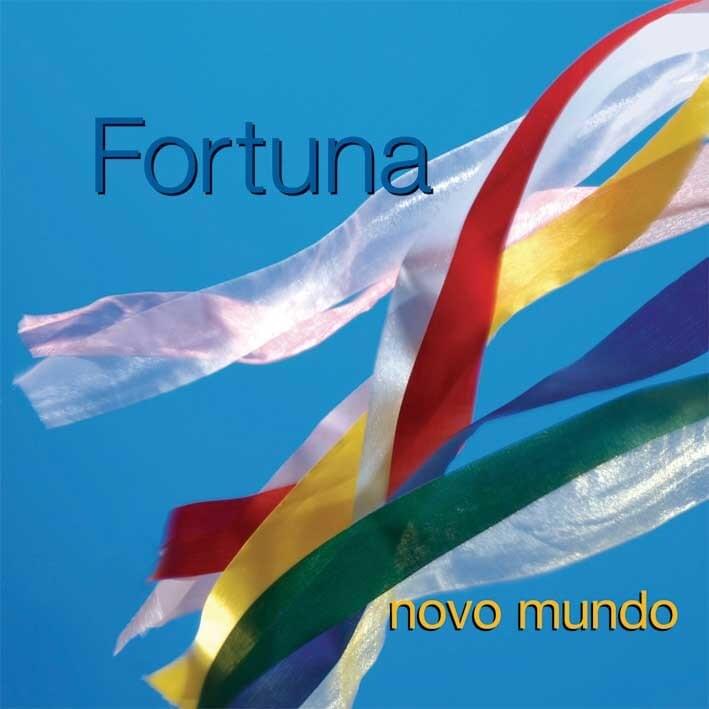
 View Artist