Song Meaning
The narrator opens with a desperate plea, "Iaiá, me dá teu remo," after their own oar breaks, leaving them adrift "lá no alto-mar." This immediate crisis sets a tone of vulnerability and dependence, quickly contrasted by a powerful assertion of heritage and resilience. The lyrics declare a bloodline tracing back to "Mouros, dos Lusitanos," suggesting a deep connection to exploration and the sea, with "Dunas, pedras, oceanos" marking their path.
The central tension arises from a profound existential question posed after surrendering control to Neptune: "O que será / Que além daquelas águas... Eu irei lá encontrar?" This moment of surrender to the vast unknown, coupled with the narrator's unwavering voice, fuels a yearning for discovery beyond the immediate, turbulent waters. The shift from personal crisis to cosmic inquiry highlights a deep-seated drive to understand what lies beyond the horizon.
The most striking craft element is the personification of abstract concepts as navigable entities. The narrator has "decifrei / Astros e constelações" and navigated "a Tormenta, a Esperança," even piercing "as lendas / Do Oceano Tenebroso." This elevates the act of sailing from a physical journey to a metaphorical conquest of the intangible, demonstrating immense agency and determination in the face of overwhelming odds.
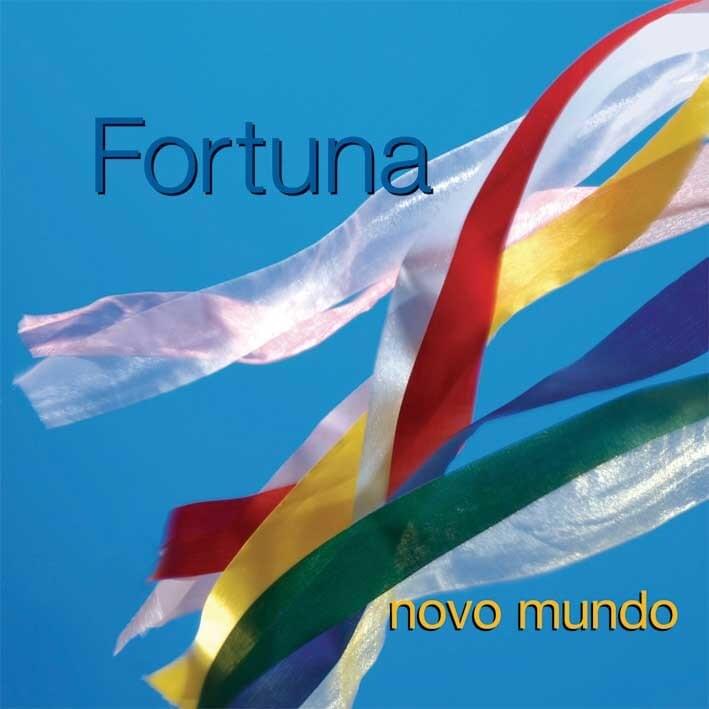
These lyrics resonate because they capture the universal human impulse to push past immediate limitations and confront the vast mysteries of existence. The transformation from being lost at sea to charting a course through legend and abstract forces, all driven by an internal compass and a quest for a "novo mundo," speaks to the enduring spirit of exploration and self-definition.
 View Artist