Song Meaning
The lyrics paint a vivid picture of childhood innocence and the bittersweet realization of its fleeting nature. The opening verses invite a companion on a whimsical journey, filled with imaginative play like hugging a teddy bear, drawing clouds, and pretending to fight with a toy gun. This playful scenario extends to bedtime, where roles are assigned, suggesting a world of make-believe and idealized relationships within the safety of childhood. The tone is warm and inviting, establishing a scene of shared fantasy.
The central tension emerges with the refrain, "בצהרי היום הכל צבוע אדום / ואין קץ לילדות שחלפה כך פתאום" (At noon everything is painted red / And there's no end to childhood that passed so suddenly). This stark contrast between the vibrant, imaginative play and the sudden, almost jarring awareness of time's passage creates a profound sense of melancholy. The color red, often associated with passion or danger, here seems to signify the intensity of life and memory, while the phrase "no end to childhood" becomes ironic, highlighting its abrupt disappearance. The lyrics suggest that these moments, though gone, feel frozen, like a dream that repeats.
A particularly striking element is the shift in the imagined roles. In the first verse, the narrator and companion are "the lady and the lord," a more mature, perhaps romanticized dynamic. However, by the second verse, they are "the girl and the boy." This subtle but significant change implies a regression or a return to the purest form of childhood play, as if trying to recapture a more fundamental innocence. The game they play is one "that time has covered in dust," emphasizing its age and the effort required to unearth it, yet the desire to re-experience it is palpable.
Ultimately, these lyrics resonate because they capture the universal ache of nostalgia for a time that felt boundless. The craft lies in juxtaposing the concrete, joyful details of childhood games with the abstract, poignant realization of lost time. The repetition of "בצהרי היום" (at noon) anchors the listener in a specific, yet dreamlike, moment, making the sudden acknowledgment of childhood's end all the more impactful. It’s this delicate balance between cherishing the past and mourning its irretrievable nature that gives the song its emotional weight.
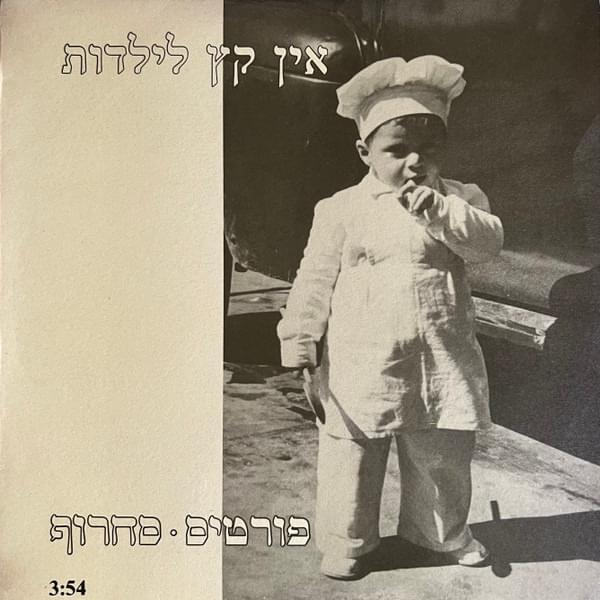
 View Artist