Song Meaning
The lyrics paint a stark picture of manipulation, where a guiding figure or entity leads followers into a state of delusion. The opening lines immediately establish a sense of forced conformity and deception, with the narrator questioning who will be there when this manufactured reality inevitably collapses. The repeated phrase "show us how to live" suggests a passive acceptance of external direction, even when that direction leads to peril.
The central tension arises from the contrast between promised salvation and actual destruction. The "chosen one" or leader offers "dreams of a radiant day" but ultimately delivers "hopenosis, ill-lycid psychosis." This invented term powerfully captures a state of being addicted to false hope, a mental state induced by the very promises meant to liberate. The imagery of being led to the edge and thrown in, or lined up against a wall, underscores the destructive outcome of this "hopenosis."
The most striking craft element is the coinage of "hopenosis" itself, a portmanteau of hope and hypnosis. This neologism perfectly encapsulates the core theme: a trance-like state induced by a false sense of optimism. The lyrics also employ strong contrasts, like "radiant day" versus being "burned to the ground," and the idea of "winning" versus "endless confrontation." The "actor" on a "flood lit stage" further emphasizes the performative nature of the deception.
Ultimately, these lyrics resonate because they articulate a specific kind of societal or personal disillusionment. The effectiveness comes from the vivid, almost clinical description of a psychological trap. The narrator's questioning and the stark depiction of the consequences make the experience of being misled feel palpable and unnerving, leaving the listener to ponder the nature of the "lie" and the "hopenosis" it breeds.
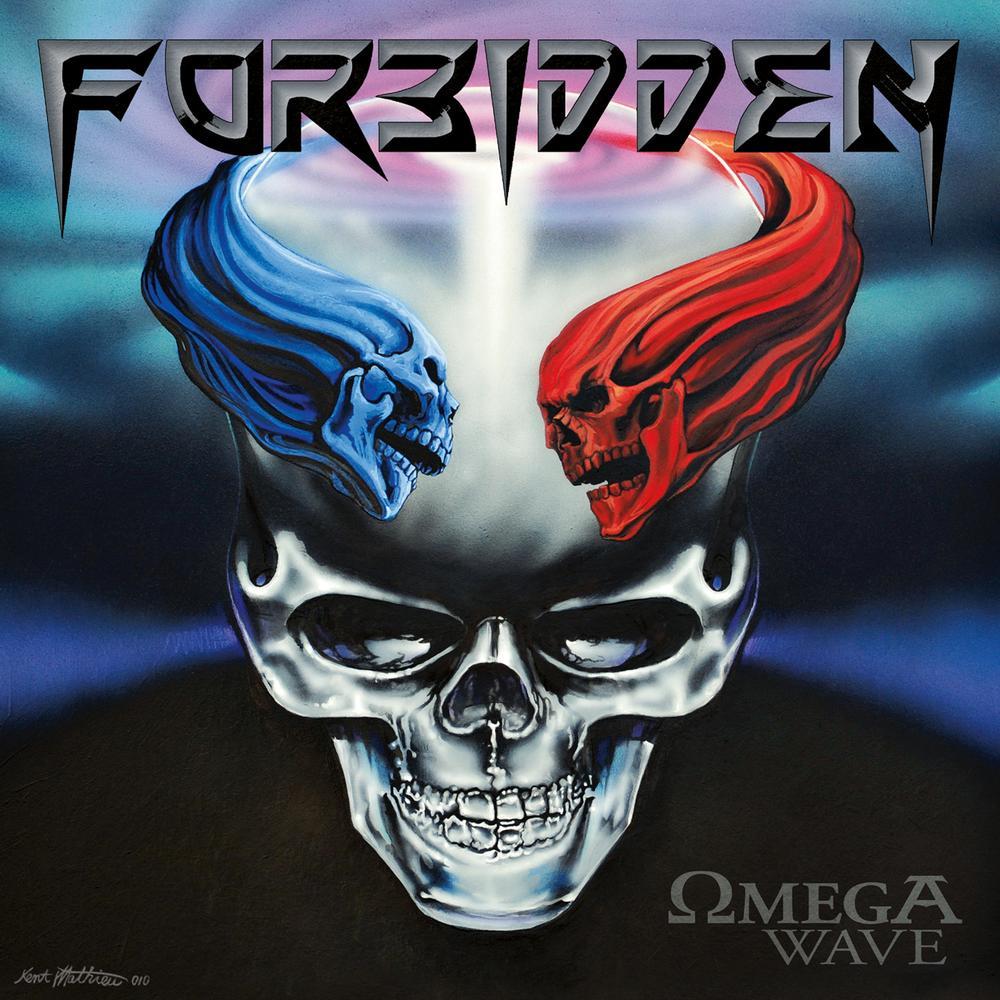
 View Artist